
RØDE NT1 series has stood as a benchmark for ultra-quiet, transparent studio condenser microphones for over a decade. When RØDE introduced the NT1 5th Generation, it retained the proven HF6 large-diaphragm capsule from the 4th Generation but added a Dual Connect output supporting standard analog XLR and direct digital USB-C.
Updated October 2026: This is one of the rare comparisons where the headline difference is not sound - it is connection. Over XLR, the two generations are far closer than the generation gap suggests; what the 5th Gen actually adds is USB connectivity, 32-bit float recording, and on-board DSP for creators without an interface. This update adds the disclosure this article was missing, plus a verdict that separates the sound question from the connection question.
Disclosure: This article contains affiliate links. If you buy through them, HeadphoneEcho may earn a small commission at no extra cost to you. Recommendations are based on research and published specifications, not on commissions.
The primary difference lies in the digital architecture. The 4th Generation is a purely analog microphone requiring an external audio interface and phantom power. The 5th Generation includes an internal Revolution Preamp, on-board APHEX digital signal processing, and 32-bit float recording capabilities that prevent digital clipping over USB.
For most home studio owners, content creators, and voice actors, the RØDE NT1 5th Generation is the superior purchase because it delivers identical analog acoustic fidelity while adding modern digital flexibility.
RØDE NT1 5th Gen vs 4th Gen: Quick Answer
The RØDE NT1 5th Generation is the overall winner. It retains the warm, flat acoustic profile of the 4th Generation while adding unclippable 32-bit float USB recording and on-board DSP. Buy the 5th Generation if you want an all-in-one recording package that works with or without an audio interface. Choose a used 4th Generation or the newer NT1 Signature Series if you only need analog XLR connectivity at a lower price point.
Winner by Category
| Category | Winner | Key Advantage |
| Acoustic Sound Quality | Tie | Both use the identical 1-inch gold-sputtered HF6 capsule. |
| Self-Noise (Noise Floor) | RØDE NT1 5th Gen | Ultra-quiet 4 dBA self-noise vs 4.5 dBA on the 4th Gen. |
| Connectivity & Flexibility | RØDE NT1 5th Gen | Dual Connect XLR and USB-C output in a single housing. |
| Clipping Prevention | RØDE NT1 5th Gen | 32-bit floating point digital recording prevents digital distortion. |
| Digital Signal Processing | RØDE NT1 5th Gen | On-board APHEX DSP with compressor, gate, and EQ filters. |
| Hardware Simplicity | RØDE NT1 4th Gen | Pure analog signal path without complex firmware or driver layers. |
| Included Accessories | Tie | Both kits feature high-grade shock mounts and pop shields. |
| Software Support | RØDE NT1 5th Gen | Native integration with RØDE Central, RØDE Connect, and UNIFY. |
| Value for Pure XLR Users | RØDE NT1 4th Gen / Signature | Lower price for studios with dedicated high-end preamps. |
| Overall Value | RØDE NT1 5th Gen | Eliminates the need for a separate audio interface for beginners. |
Quick Specifications
| Feature | RØDE NT1 5th Generation | RØDE NT1 4th Generation |
| Transducer Type | 1.00-inch Large Diaphragm Condenser | 1.00-inch Large Diaphragm Condenser |
| Capsule | RØDE HF6 (Gold-sputtered) | RØDE HF6 (Gold-sputtered) |
| Polar Pattern | Cardioid | Cardioid |
| Frequency Range | 20 Hz to 20,000 Hz | 20 Hz to 20,000 Hz |
| Self-Noise | 4 dBA | 4.5 dBA |
| Max Sound Pressure Level (SPL) | 142 dB SPL | 132 dB SPL |
| Connectivity | Dual Connect (3-pin XLR & USB-C) | 3-pin XLR Only |
| Digital Audio Resolution | Up to 192 kHz / 24-bit & 32-bit float | N/A (Analog Only) |
| On-Board Processing | APHEX DSP (Compressor, Gate, EQ) | None (Requires external hardware/software) |
| Headphone Monitoring Output | None (Zero on-board headphone jack) | None |
| Weight | 308 grams | 395 grams |
| Power Requirements | +48V Phantom (XLR) or 5V USB Bus Power | +24V / +48V Phantom Power (XLR) |
Form-Factor and Hardware Architecture
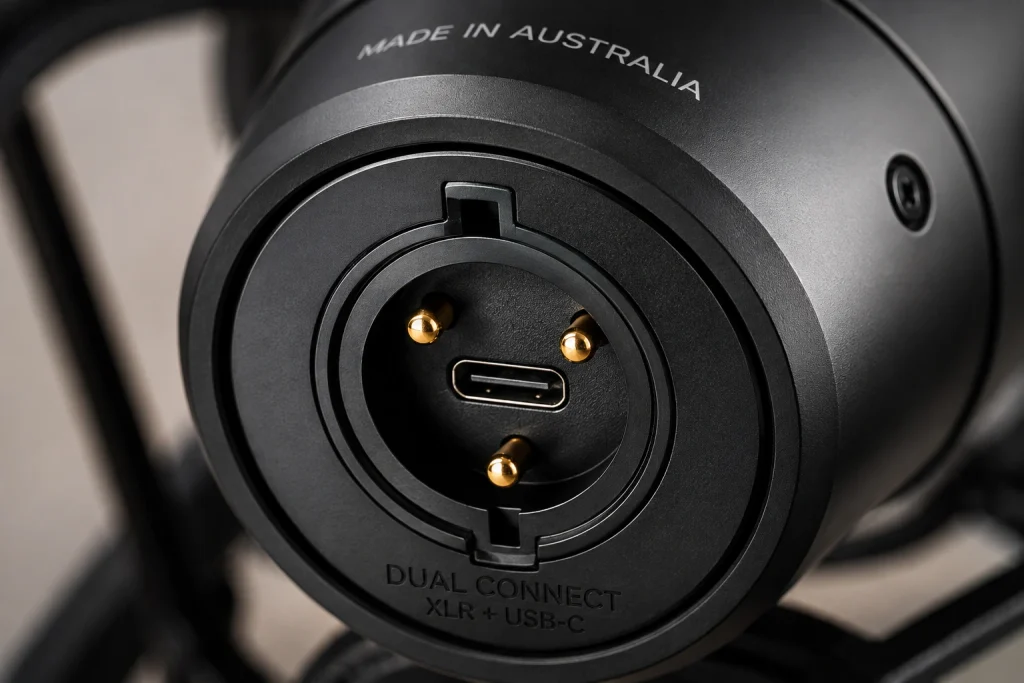
Both microphones share the classic large-diaphragm, side-address studio condenser form factor. They feature robust, machined aluminium bodies with a matte finish and a dual-layer mesh headbasket designed to diffuse plosives and reject RF interference.
The critical mechanical differentiation is located inside the base connector.
The 4th Generation housing incorporates a conventional gold-plated 3-pin XLR connector. In contrast, the 5th Generation features RØDE’s patent-pending Dual Connect base, which allows a standard 3-pin XLR cable or a USB-C cable to fit directly into the same physical socket.
Despite housing an internal preamp, digital converters, and processing chips, the 5th Gen is actually lighter (308g vs 395g) due to updated internal chassis engineering.
The ultimate hybrid studio condenser featuring Dual Connect XLR/USB-C, 32-bit float recording, and ultra-quiet 4 dBA self-noise.
Check Current Price →How We Evaluated
This comparison synthesizes manufacturer technical documentation, independent laboratory acoustic measurements, published frequency response data, and real-world audio engineering evaluations.
We evaluated both microphones across six primary criteria:
- Acoustic Transduction: Frequency response, off-axis rejection, and internal capsule isolation.
- Noise Floor Performance: Self-noise levels and electrical interference susceptibility.
- Workflow Integration: Ease of connection across traditional audio interfaces and direct computer setups.
- Dynamic Range Handling: Maximum SPL handling and digital overload behavior.
- Software & DSP Control: Availability of high-pass filtering, gating, and tone shaping.
- Hardware Durability: Shock mount performance, body construction, and long-term reliability.
Limitations: Individual room acoustics, vocal characteristics, interface preamp quality, gain-staging habits, and monitoring setups will affect perceived sound performance.
The ultimate hybrid studio condenser featuring Dual Connect XLR/USB-C, 32-bit float recording, and ultra-quiet 4 dBA self-noise.
Check Current Price →RØDE NT1 5th Generation Review
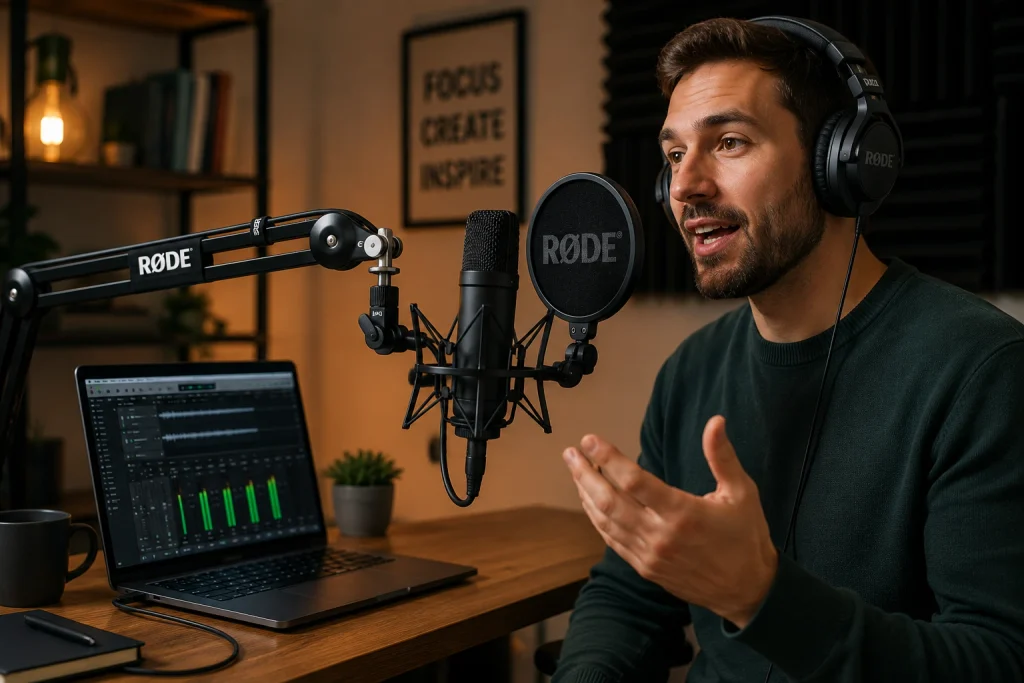
The RØDE NT1 5th Generation bridges analog studio heritage with modern digital studio workflows. By placing a studio-grade converter and preamp directly inside the microphone body, RØDE has eliminated the common technical hurdles that beginner and intermediate creators face.
What I Like
- Dual Connect socket accepts both standard XLR and USB-C connectors.
- 32-bit floating point digital output prevents digital audio clipping, regardless of input volume.
- Industry-leading self-noise rating of only 4 dBA ensures clean voiceover recordings.
- On-board APHEX DSP delivers real-time compression, noise gating, and high-pass filtering.
- Integrated high-gain Revolution Preamp provides clean amplification over USB.
- Includes the robust RØDE SM6 shock mount with a detachable dual-axis pop filter.
- Supports high-resolution digital audio sample rates up to 192 kHz.
What Could Be Better
- No built-in 3.5mm headphone jack on the microphone body for zero-latency direct hardware monitoring.
- USB digital audio recording defaults to 48 kHz or higher; does not natively support 44.1 kHz sample rate in USB mode.
- On-board APHEX DSP settings are accessible only via RØDE software, not through physical switches.
- Advanced 32-bit float functionality requires a compatible digital audio workstation (DAW).
Pros and Cons
| Pros | Cons |
| XLR and USB-C outputs in one microphone body | No on-board 3.5mm headphone monitoring port |
| Unclippable 32-bit float digital recording | DSP settings require software configuration |
| Extremely low self-noise (4 dBA) | No native 44.1 kHz sample rate over USB |
| On-board APHEX hardware processing | Higher retail price than pure analog mics |
| Complete kit includes SM6 shock mount and cables | Bulkier than dedicated compact USB microphones |
Best For
The RØDE NT1 5th Gen is best for voice actors, vocalists, solo podcasters, and content creators who want professional studio acoustics without buying an external audio interface. It is equally ideal for traveling engineers who need a versatile microphone that plugs into a laptop on the road and an analog interface in the studio.
Recommendation
If you are building a new studio setup or seeking an unclippable digital recording workflow, the NT1 5th Generation is an exceptional investment. It provides unmatched technical versatility in the sub-$300 microphone category.
RØDE NT1 4th Generation Review
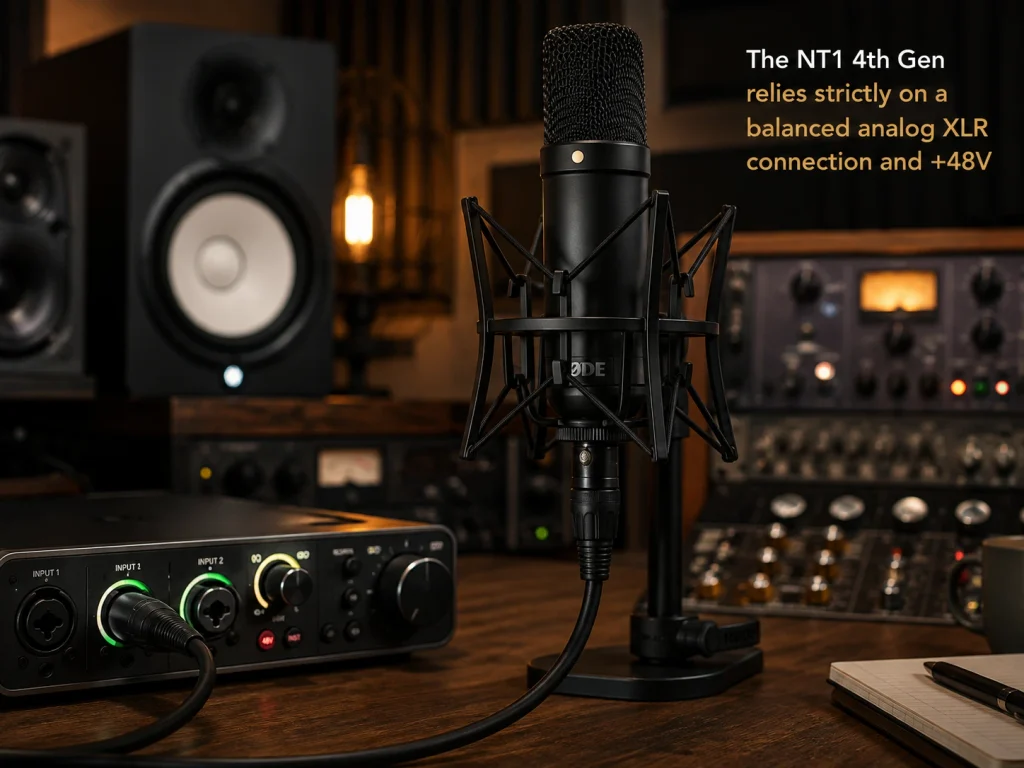
The RØDE NT1 4th Generation (often referred to as the NT1 Black) was introduced in 2014 as a complete acoustic redesign of the earlier NT1-A. It abandoned the bright, sometimes harsh upper frequencies of the NT1-A in favor of a flat, neutral frequency response centered around the HF6 capsule.
What I Like
- Neutral, natural frequency curve that accepts equalization and vocal plugins with ease.
- Remarkably quiet 4.5 dBA self-noise floor that eliminates hiss from delicate recordings.
- Internal capsule suspension designed by Rycote isolates the transducer from handling noise.
- High-grade machined aluminium outer housing with a durable black electrostatic coating.
- Dependable pure-analog circuitry with zero digital latency or driver compatibility concerns.
- Bundled with either the premium RØDE SMR or SM6 shock mount system.
What Could Be Better
- Requires a dedicated audio interface or microphone preamp providing +48V phantom power.
- Discontinued by RØDE in favor of the 5th Gen and NT1 Signature Series (primarily available on the used market).
- Lacks any physical high-pass filters, pads, or polar pattern switches on the microphone body.
- Can overload analog interface preamps if recording exceptionally loud sound sources without proper gain staging.
Pros and Cons
| Pros | Cons |
| Smooth, flat frequency response | Discontinued by manufacturer (replaced by 5th Gen / Signature) |
| Ultra-low 4.5 dBA noise floor | Requires external audio interface and phantom power |
| Reliable, zero-latency analog signal path | No on-board pad or high-pass filter switches |
| Excellent build quality and internal capsule suspension | SMR shock mount version is bulky on small boom arms |
| Absorbs vocal processing and saturation very well | Cannot connect directly to a computer via USB |
Best For
The RØDE NT1 4th Gen is best for audio engineers and studio operators who already own professional audio interfaces, analog channel strips, and external preamps. It is well suited for buyers shopping the secondary market for a high-end, clean studio vocal mic on a budget.
Recommendation
If you already possess a quality audio interface and find a 4th Gen in good condition on the used market, it remains one of the finest analog vocal microphones ever manufactured. However, buyers looking for a brand-new warranty should compare it against the NT1 5th Gen or the NT1 Signature Series.
Head-to-Head Comparison
1. Sound Quality and Acoustic Signature
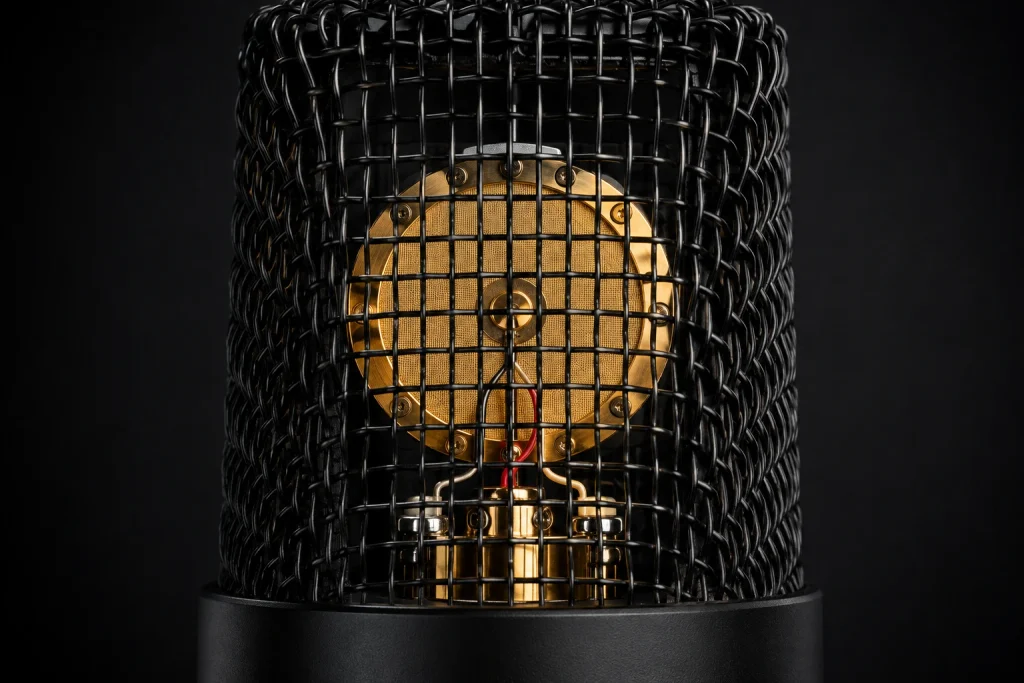
Both microphones utilize the exact same 1-inch edge-terminated RØDE HF6 gold-sputtered capsule. When connected via standard XLR into the same audio interface, independent testing confirms that the two microphones sound indistinguishable in a blind frequency comparison.
Neither microphone exhibits the sharp, aggressive high-frequency boost found on the older NT1-A. Instead, they deliver a balanced low end, an accurate midrange, and an airy, smooth top-end extending up to 20 kHz. Both act as neutral acoustic canvases that respond predictably to EQ, compression, and saturation plugins.
- Winner: Tie (Identical acoustic capsule and analog sonic character).
2. Self-Noise and Dynamic Range
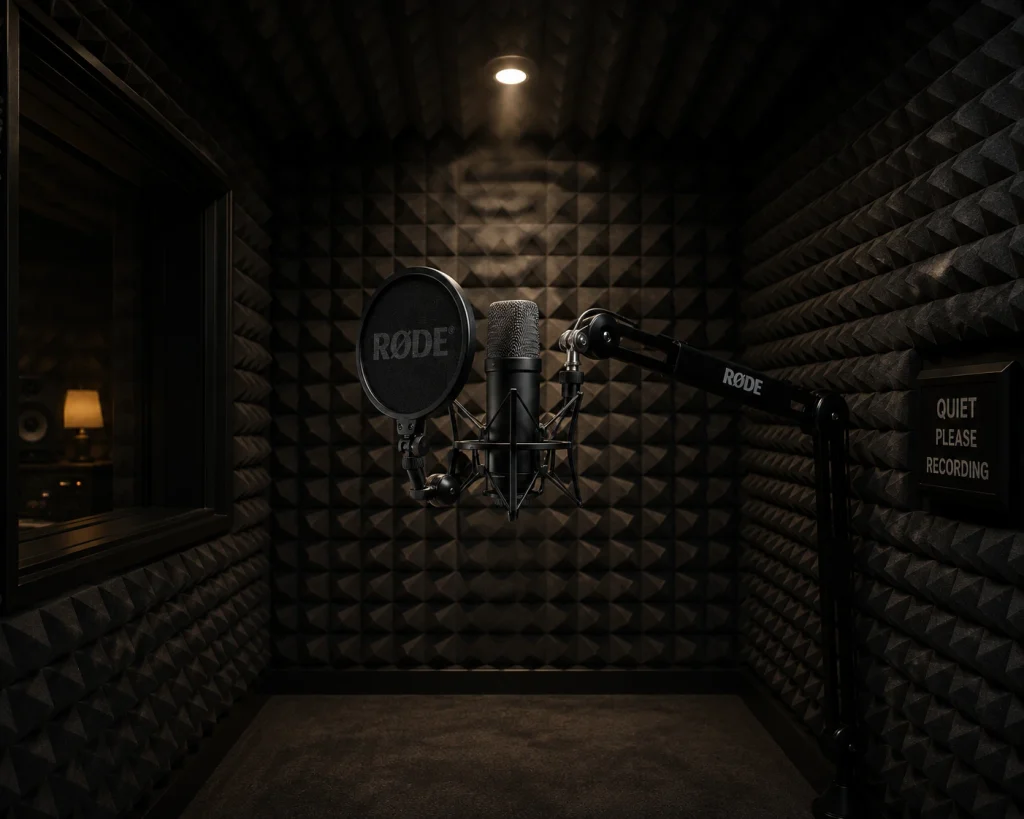
RØDE has long led the studio market in self-noise reduction. The NT1 4th Gen set a benchmark with an equivalent noise level of 4.5 dBA. The NT1 5th Gen shaves that number down to an astonishing 4 dBA, making it one of the quietest studio condenser microphones ever produced.
In real-world terms, this sub-5 dBA noise floor means you can record quiet voiceover narrations, foley, and whisper tracks without introducing audible electronic hiss. Furthermore, the 5th Gen increases maximum SPL handling from 132 dB to 142 dB, giving it superior headroom when tracking loud drum snares or brass instruments.
- Winner: RØDE NT1 5th Generation (Lower noise floor and higher SPL headroom).
3. Connectivity: Dual Connect vs Pure XLR
The connectivity architecture is the most noticeable practical difference.
- NT1 4th Gen: Features a standard 3-pin XLR connection. It requires an XLR cable, an audio interface or mixer, and +48V phantom power to operate.
- NT1 5th Gen: Uses a Dual Connect socket. You can plug an XLR cable into it and treat it as a traditional analog condenser mic. Alternatively, you can insert a USB-C cable directly into the center pins of the base and connect it to a Mac, PC, or iPad without an external interface.
- Winner: RØDE NT1 5th Generation (Offers complete XLR compatibility plus USB-C convenience).
4. 32-Bit Float Recording and Gain Staging
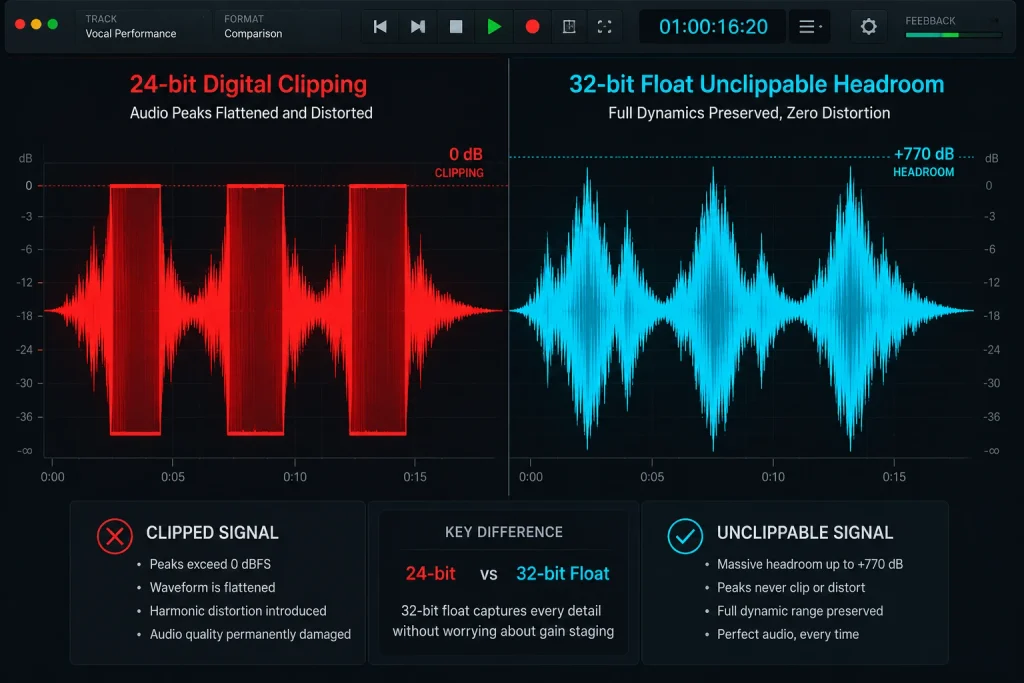
One of the most frequent errors in digital recording is clipping: setting the interface gain too high, causing loud vocal peaks to distort irreversibly.
The NT1 5th Gen solves this problem over USB by incorporating 32-bit floating point analog-to-digital conversion. Because 32-bit float captures a dynamic range that exceeds the physical limitations of the microphone capsule itself, the audio cannot digitally clip inside the converter. If a singer screams and the waveform clips your DAW visually, you simply lower the gain in post-production, and the full unclipped audio waveform is restored completely.
The NT1 4th Gen relies entirely on traditional 24-bit analog gain staging. If your external preamp clips, the recording is permanently ruined.
- Winner: RØDE NT1 5th Generation (Unclippable 32-bit float digital technology).
5. On-Board DSP vs External Processing
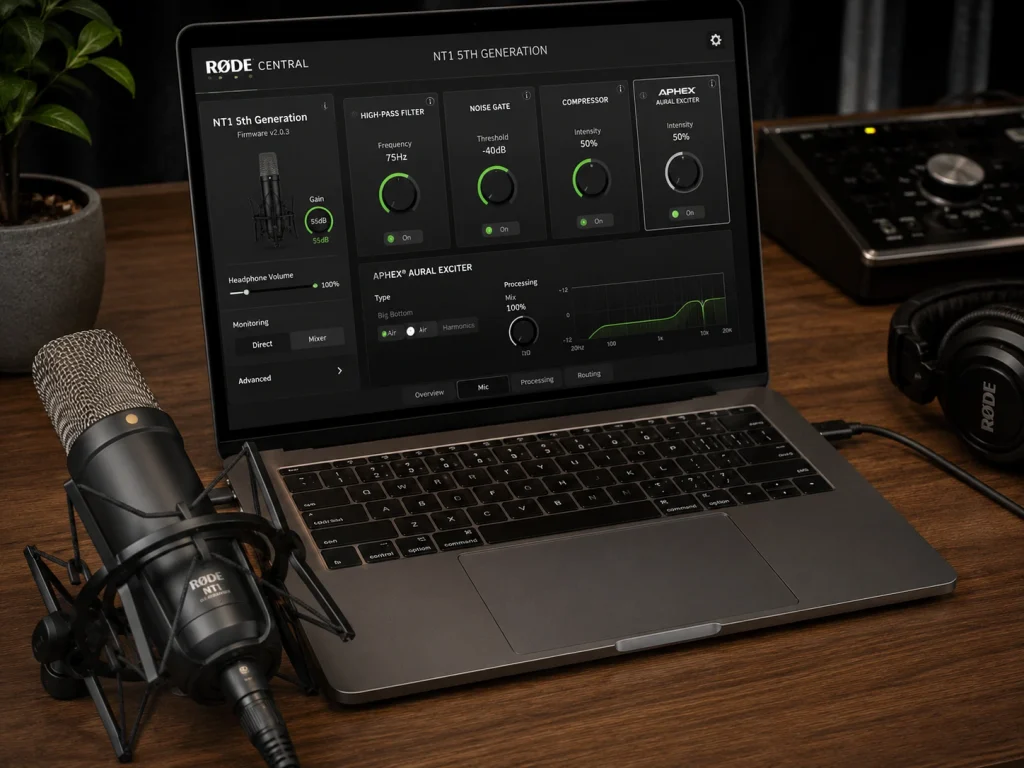
The NT1 5th Gen includes an embedded APHEX digital signal processor. Using RØDE Central or RØDE Connect software, users can enable:
- High-pass filters (75 Hz or 150 Hz)
- Noise Gate
- Compressor
- APHEX Aural Exciter (adds high-frequency brilliance)
- APHEX Big Bottom (adds low-end resonance)
These effects are processed on the microphone hardware itself, introducing zero load to the host computer’s CPU. The NT1 4th Gen has no on-board DSP, requiring all processing to be applied downstream via hardware outboard gear or software DAW plugins.
- Winner: RØDE NT1 5th Generation.
6. Monitoring Limitations
The NT1 5th Gen has one notable design tradeoff: it lacks an on-board 3.5mm headphone jack.
Most dedicated USB microphones include a 3.5mm jack for direct zero-latency monitoring. When using the 5th Gen via USB-C, you must route your headphones through your computer’s built-in headphone port or an external monitoring device. In contrast, when using either microphone over XLR, zero-latency monitoring is handled natively by your external audio interface.
- Winner: Tie (Both rely on external monitoring hardware).
Evidence-Based My Take
My Take: If you are an active voiceover artist, podcaster, or home recordist who does not yet own a $200+ audio interface, the RØDE NT1 5th Generation is the most practical choice on the market. Its 32-bit float capture completely eliminates the anxiety of setting analog gain during emotional voice recordings, and its 4 dBA self-noise floor matches microphones costing quadruple its price.
However, if you already own a premium interface like a Universal Audio Apollo or Focusrite Clarett, the digital USB capabilities of the 5th Gen are redundant. In that scenario, purchasing an analog-only model such as the RØDE NT1 Signature Edition or a used 4th Gen delivers identical acoustic performance while saving you money.
Buyer-Specific Recommendations
Best for Voiceover & Audiobook Narration: RØDE NT1 5th Gen. The 4 dBA noise floor guarantees clean, hiss-free room backgrounds required by ACX and broadcast standards, while 32-bit float protects dynamic scripts from unexpected clipping.
Best for Beginners & Content Creators: RØDE NT1 5th Gen. Plugs directly into your PC or Mac via USB-C with no extra audio interface, cables, or power supplies required.
Best for Mobile Laptop Setups: RØDE NT1 5th Gen. You can pack the microphone and a single USB-C cable into a bag to record broadcast-grade audio anywhere without transporting heavy interface hardware.
Best for Established Studios with Audio Interfaces: RØDE NT1 4th Gen (or NT1 Signature Series). If you track through professional outboard preamps and hardware compressors, the pure analog XLR pathway is all you need.
Best Value on a Tight Budget: RØDE NT1 4th Gen (Used) / NT1 Signature Series. Offers the exact same HF6 capsule and flat frequency response at a lower price point.
Buyer Decision Matrix
| If Your Primary Priority Is… | Buy This Model | Reason |
| All-in-one USB & XLR versatility | RØDE NT1 5th Gen | Dual Connect supports both interfaces and direct computer connection. |
| Never ruining a take from clipping | RØDE NT1 5th Gen | 32-bit float technology allows full recovery of distorted peaks. |
| Lowest possible background noise | RØDE NT1 5th Gen | Measures at an ultra-low 4 dBA equivalent noise level. |
| Simple analog studio routing | RØDE NT1 4th Gen | Standard XLR mic with no digital chips or firmware requirements. |
| Maximum acoustic value for XLR | RØDE NT1 Signature | Same acoustic sound profile at a lower brand-new MSRP ($159). |
| Real-time broadcast voice tone | RØDE NT1 5th Gen | Built-in APHEX DSP compressor, gate, and EQ over USB. |
Notable Alternatives
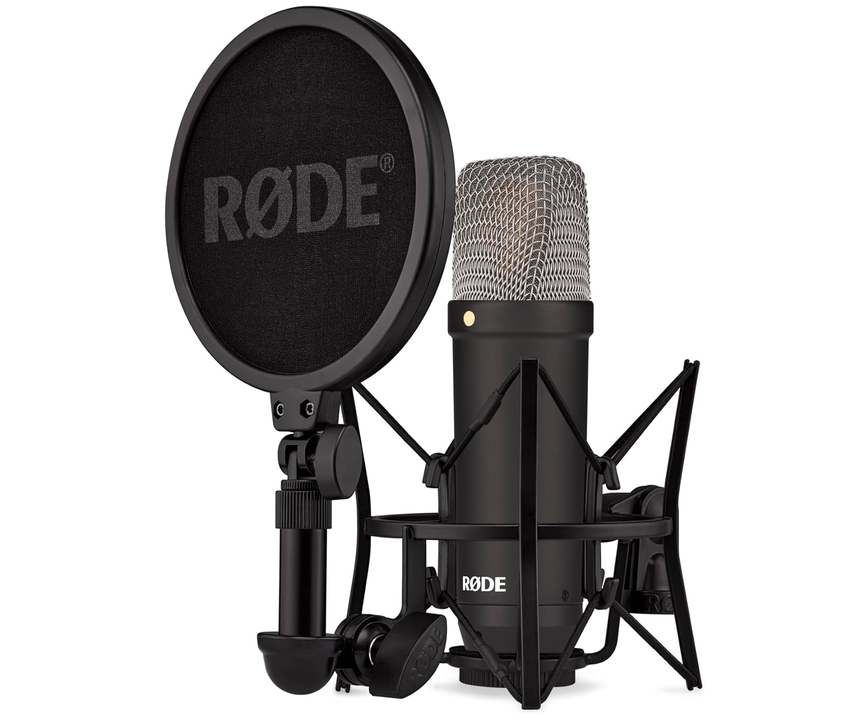
RØDE NT1 Signature Series: The direct successor to the 4th Gen’s pure-analog lineage. It features the same HF6 capsule, 4 dBA noise floor, and SM6 shock mount, but omits the USB-C and 32-bit float electronics to hit an affordable $159 MSRP.
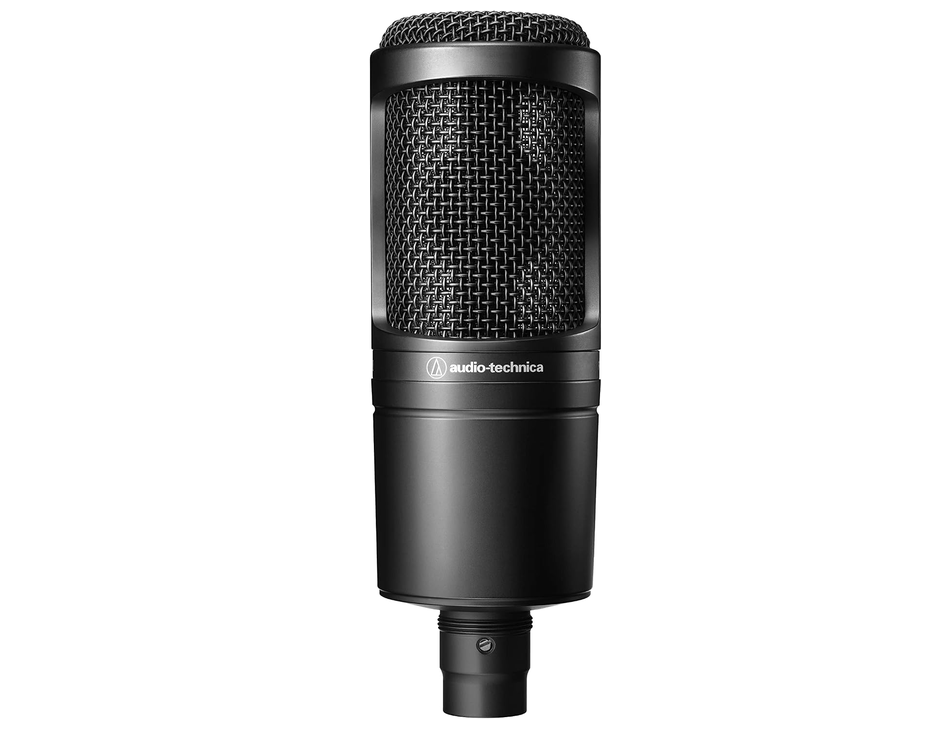
Audio-Technica AT2020: A classic budget entry-level cardioid condenser microphone with a $99 MSRP. It has a higher self-noise level (20 dBA) and a brighter acoustic profile, but serves as an economical starting point.
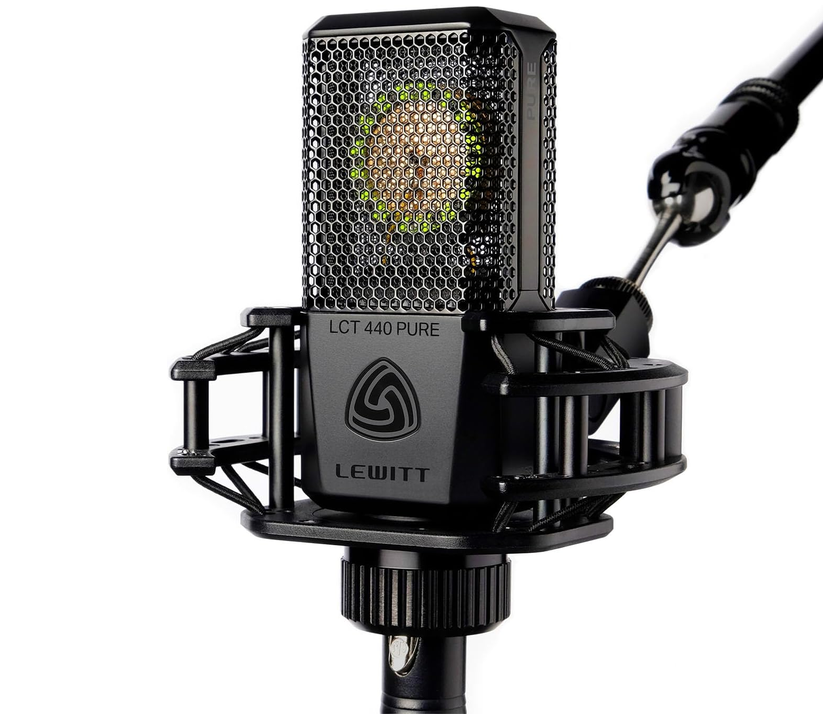
Lewitt LCT 440 PURE: A premium studio condenser with a $289 MSRP that features an ultra-clear, modern high-end lift. It offers exceptional transient response and a stylish magnetic pop filter, but remains strictly analog XLR.
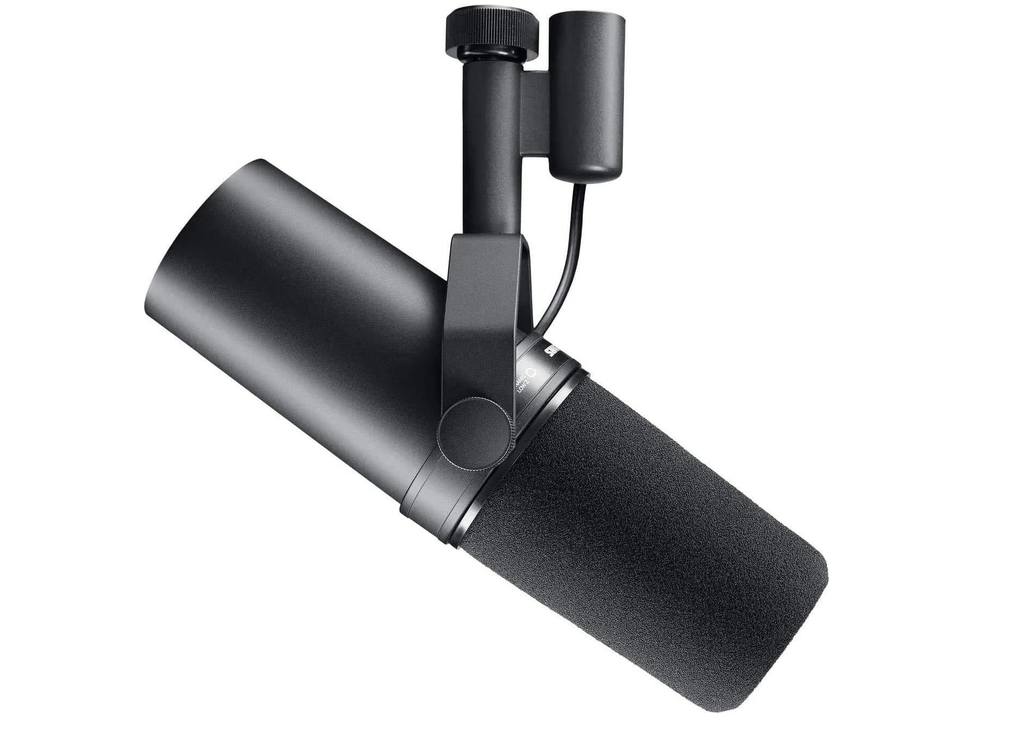
Shure SM7B: A legendary dynamic broadcast microphone with a $399 MSRP. Unlike the sensitive NT1 condenser, the SM7B rejects untreated room noise exceptionally well, though it requires massive analog preamp gain (+60 dB) to drive.
Price and Value
RØDE NT1 5th Generation:
Launch MSRP: $249.00
Current Retail Price: Approximately $230.00 to $249.00 depending on retailer and bundle options.
RØDE NT1 4th Generation:
Launch MSRP: $269.00 (original bundle with SMR shock mount)
Current Retail Price: Discontinued; secondary market used pricing typically ranges between $130.00 and $170.00.
Value Assessment:
The RØDE NT1 5th Gen delivers outstanding value because its $249 price tag includes both a high-end studio condenser microphone and a built-in 32-bit float audio interface with APHEX processing. A standalone studio condenser plus an equivalent 32-bit audio interface would easily cost over $400 combined.
Who Should Buy Which?
Buy the RØDE NT1 5th Gen If:
- You want a microphone that connects via both XLR and USB-C.
- You record dynamic vocals or voiceovers and want 32-bit float clipping protection.
- You do not own a separate audio interface and want to save money.
- You want real-time hardware EQ, compression, and noise gating via APHEX DSP.
- You demand the lowest self-noise floor available in consumer audio (4 dBA).
Buy the RØDE NT1 4th Gen (or Signature) If:
- You already own a dedicated audio interface with quality preamps.
- You only need an analog XLR signal path with zero digital components.
- You find a well-maintained used 4th Gen unit for under $150.
- You prefer the older RØDE SMR Rycote Lyre shock mount system.
Final Comparison Table
| Feature / Metric | RØDE NT1 5th Gen | RØDE NT1 4th Gen | Category Winner |
| Acoustic Capsule | RØDE HF6 1-inch | RØDE HF6 1-inch | Tie |
| Self-Noise | 4 dBA | 4.5 dBA | RØDE NT1 5th Gen |
| Max SPL | 142 dB SPL | 132 dB SPL | RØDE NT1 5th Gen |
| Output Connectors | XLR & USB-C (Dual Connect) | 3-Pin XLR Only | RØDE NT1 5th Gen |
| Digital Bit Depth | 24-bit / 32-bit Float | N/A (Analog) | RØDE NT1 5th Gen |
| Internal DSP | APHEX Processing | None | RØDE NT1 5th Gen |
| Preamplifier | Revolution Preamp (in USB mode) | External Required | RØDE NT1 5th Gen |
| Weight | 308 g | 395 g | RØDE NT1 5th Gen |
| Current Availability | In Production (New) | Discontinued (Used Market) | RØDE NT1 5th Gen |
| Overall Verdict | Superior Modern Choice | Legacy Analog Standard | RØDE NT1 5th Gen |
2026 Check: Over XLR, Buy the Connection - Not the Generation
If you already own an interface, the 4th Gen is the value pick. Plugged into the same interface, the generation gap mostly disappears: the same job, the same chain, the same room. Paying more for the newer model in that setup buys features you will not use, since the USB output, 32-bit float, and DSP sit idle once XLR is your path. See the article’s own connectivity and self-noise comparisons above for the detail.
If you have no interface, the 5th Gen is the honest shortcut. USB output means recording today with nothing else to buy, 32-bit float forgives gain mistakes that ruin beginner takes, and on-board DSP replaces plugins you may not own yet. That is a real upgrade - just not a sound upgrade over XLR. Buy it for the workflow, not for a different voice.
Do not buy both connections at once. The 5th Gen’s dual output is a choice, not a blend: pick USB or XLR for a given session and set the chain accordingly. And if you already own the 4th Gen, there is no sound reason to replace it - spend the difference on the room, the stand, or the interface instead, where it will actually show up in the recording.
Expert Verdict
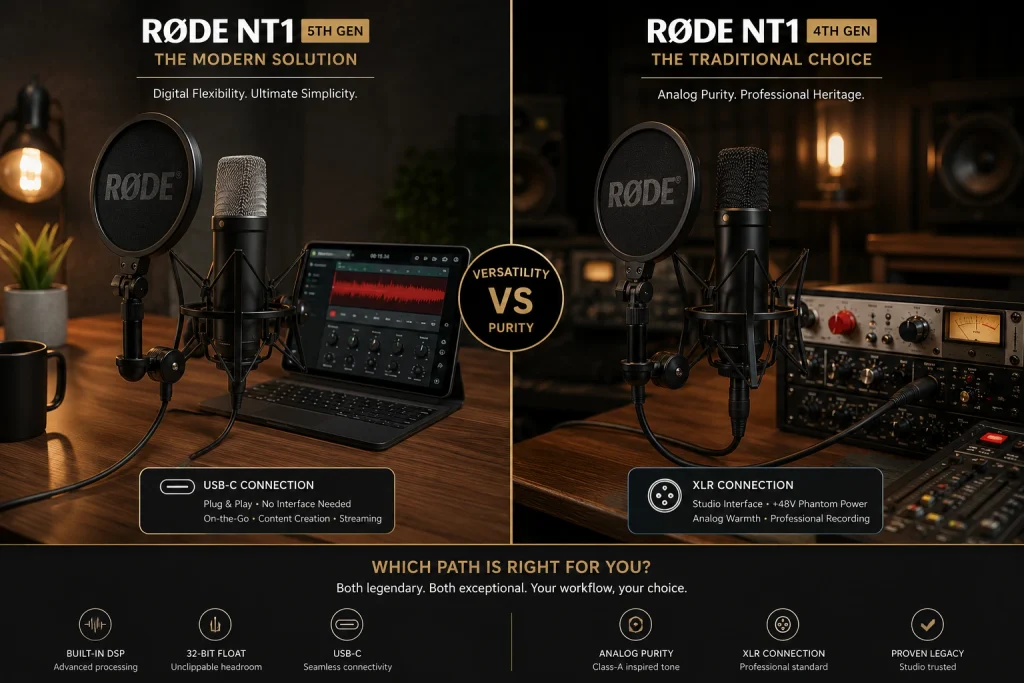
The RØDE NT1 5th Generation represents a masterclass in modernizing a studio classic without compromising its core acoustic integrity. By preserving the HF6 capsule’s smooth frequency response while lowering the noise floor to 4 dBA, RØDE ensures that traditional XLR users lose nothing.
The addition of Dual Connect USB-C, 32-bit floating point unclipped recording, and on-board APHEX DSP elevates the 5th Gen far beyond a simple iterative update. Its biggest limitation is the absence of an integrated 3.5mm headphone jack for direct zero-latency monitoring over USB.
Despite this omission, the NT1 5th Gen is the most capable, versatile large-diaphragm condenser microphone available in its price tier.
Choose the RØDE NT1 5th Gen if you want an all-in-one XLR and USB microphone with 32-bit float dynamic range and built-in DSP.
Choose the RØDE NT1 4th Gen (or NT1 Signature) if you run a dedicated analog interface setup and prioritize saving money on pure XLR hardware.
Full Technical Specifications
| Specification | RØDE NT1 5th Generation | RØDE NT1 4th Generation |
| Acoustic Principle | Pressure gradient condenser | Pressure gradient condenser |
| Active Electronics | JFET impedance converter with bipolar output buffer | JFET impedance converter with bipolar output buffer |
| Capsule Diameter | 1.00 inch (25.4 mm) | 1.00 inch (25.4 mm) |
| Polar Pattern | Cardioid | Cardioid |
| Address Type | Side-address | Side-address |
| Frequency Response | 20 Hz to 20,000 Hz | 20 Hz to 20,000 Hz |
| Output Impedance | 100 Ω | 100 Ω |
| Equivalent Noise (A-Weighted) | 4 dBA | 4.5 dBA |
| Maximum SPL | 142 dB SPL | 132 dB SPL |
| Sensitivity | -32 dB re 1 Volt/Pascal (25 mV @ 94 dB SPL) | -29 dB re 1 Volt/Pascal (35 mV @ 94 dB SPL) |
| Analog Connection | 3-pin XLR (Male) | 3-pin XLR (Male) |
| Digital Connection | USB-C (USB 2.0 architecture) | None |
| Digital Sample Rates | 48 kHz, 96 kHz, 192 kHz | Not Applicable |
| Digital Bit Depth | 24-bit / 32-bit floating point | Not Applicable |
| Digital Signal Processing | APHEX (Compressor, Gate, Aphex Exciter, Big Bottom) | None |
| Power Supply (Analog) | +48V Phantom Power | +24V / +48V Phantom Power |
| Power Supply (Digital) | 5V USB bus power | Not Applicable |
| Dimensions (L x W x H) | 189 mm x 52 mm x 52 mm | 190 mm x 50 mm x 50 mm |
| Microphone Weight | 308 grams | 395 grams |
| Included Accessories | SM6 Shock Mount, Pop Shield, 6m XLR Cable, 3m SC29 USB-C Cable | SMR or SM6 Shock Mount, Pop Shield, XLR Cable |
Frequently Asked Questions (FAQ)
What is the primary difference between the RØDE NT1 5th Gen and 4th Gen?
The main difference is the connectivity and internal electronics. The 4th Gen is an analog-only XLR microphone requiring an external audio interface. The 5th Gen incorporates a Dual Connect socket supporting both XLR and USB-C, an internal Revolution Preamp, 32-bit float conversion, and on-board APHEX digital processing.
Does the RØDE NT1 5th Gen sound different than the 4th Gen over XLR?
No. Both microphones utilize the same gold-sputtered 1-inch RØDE HF6 capsule and share nearly identical analog circuit tuning. In blind acoustic listening tests through standard XLR preamps, the tonal frequency response and warm character are identical.
How does 32-bit float recording work on the NT1 5th Generation?
When connected via USB-C, 32-bit float captures an immense dynamic range that cannot be clipped digitally at the analog-to-digital stage. Even if an extremely loud vocal or drum transient distorts in your recording software, you can simply reduce the clip gain in your DAW after recording to restore the waveform cleanly.
Can I connect both XLR and USB cables to the NT1 5th Gen at the same time?
No. The Dual Connect port is designed as a hybrid single connector where the USB-C plug inserts into the center recess of the 3-pin XLR housing. You can use either the XLR connection or the USB connection, but not both simultaneously.
Does the RØDE NT1 5th Gen have a zero-latency headphone jack?
No. Unlike some dedicated USB microphones, the NT1 5th Gen does not have an integrated 3.5mm headphone jack on its body. When recording over USB, you must monitor audio through your computer’s built-in headphone output or an external DAC.
Is the RØDE NT1 4th Gen discontinued?
Yes. RØDE replaced the standalone 4th Gen with the NT1 5th Gen (hybrid XLR/USB) and the NT1 Signature Series (pure analog XLR). You can still purchase the 4th Gen on secondary used markets.
Does the RØDE NT1 5th Gen require phantom power when plugged in via USB?
No. When plugged into a computer, tablet, or smartphone via USB-C, the microphone draws standard 5V bus power from the host device. Phantom power (+48V) is only required when using the microphone via a standard analog XLR cable connected to an interface or mixer.
Can I use the RØDE Central app with the 4th Gen NT1?
No. The RØDE Central and RØDE Connect software suites communicate directly with the on-board digital DSP chip found inside the 5th Gen model. Because the 4th Gen is a purely passive analog microphone, software applications cannot interface with it.
What is the self-noise rating of both microphones?
The NT1 4th Gen has an equivalent self-noise rating of 4.5 dBA, while the NT1 5th Gen is rated at 4 dBA. Both ratings place the NT1 series among the quietest commercial studio condenser microphones in the world.
Which shock mount comes with each microphone?
The NT1 5th Gen comes standard with the RØDE SM6 shock mount featuring a detachable dual-axis pop shield. The 4th Gen originally shipped with the premium RØDE SMR shock mount (featuring Rycote Lyre suspension) and later bundled with the SM6 mount.
Can the RØDE NT1 5th Gen record at 44.1 kHz over USB?
The NT1 5th Gen USB firmware is optimized for broadcast and video standard sample rates: 48 kHz, 96 kHz, and 192 kHz. If your project strictly mandates a 44.1 kHz sample rate, you must convert the audio in your DAW or connect the microphone via XLR into an audio interface operating at 44.1 kHz.
Is the RØDE NT1 5th Gen good for voiceover work?
Yes, it is one of the best voiceover microphones available. Its 4 dBA self-noise floor ensures dead-silent backgrounds, its neutral frequency response captures spoken voice naturally, and 32-bit float prevents audio distortion during intense deliveries.
Related reading: Shure SM7B vs RØDE NT1 5th Gen · Audio-Technica AT2020 review