
Choosing the right USB microphone can transform your voice for gaming, live streaming, work calls, or podcasting. In this head-to-head Shure MV6 vs Elgato Wave 3 guide, you will see how these two popular desktop microphones compare in sound quality, background noise control, software tools, and daily ease of use.
Updated October 2026: On paper these are two USB microphones; in practice they are two philosophies. The MV6 is a microphone first - Shure’s dynamic design, built to reject room noise with minimal fuss. The Wave 3 is a system first - a condenser whose real advantage lives in Elgato’s Wave Link software and Stream Deck ecosystem. This update adds the disclosure this article was missing, plus the software-first verdict below.
Disclosure: This article contains affiliate links. If you buy through them, HeadphoneEcho may earn a small commission at no extra cost to you. Recommendations are based on research and published specifications, not on commissions.
The Shure MV6 is a dedicated dynamic microphone built to block out room noise. The Elgato Wave 3 is a crisp condenser microphone packed with digital mixing features. If you want clear voice audio without buying extra gear, this guide helps you pick the right mic for your desk.
Key Differences at a Glance
The biggest difference between the Shure MV6 and Elgato Wave 3 is capsule design and noise pickup. The Shure MV6 uses a dynamic capsule that isolates your voice and rejects ambient room echo, making it ideal for untreated rooms and noisy spaces. The Elgato Wave 3 uses a sensitive condenser capsule that captures brighter high-frequency vocal detail and pairs with multi-channel Wave Link mixing software, making it ideal for live streamers in quiet rooms.
Shure MV6 Review
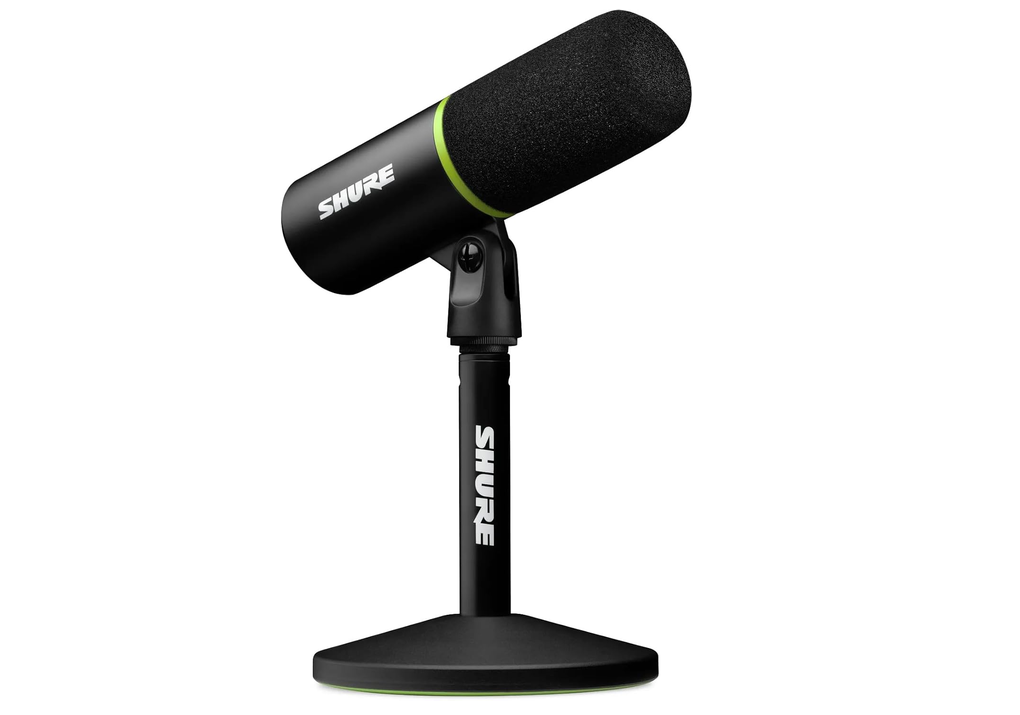
The Shure MV6 brings the heritage of Shure broadcast microphones into an affordable, plug-and-play USB gaming microphone. It features a sturdy desktop stand, a heavy-duty zinc alloy body, and a built-in headphone jack for zero-latency monitoring.
Inside, the dynamic cartridge focuses tightly on your voice. Built-in digital signal processing gives you Auto Level Mode, a real-time Denoiser, and a Digital Popper Stopper. These tools clean up your audio right inside the microphone before it reaches your stream or recording software.
What I Like
- Voice Isolation Dynamic Capsule: Blocks out loud keyboard clicks, computer fans, and wall echo so your voice stays clear.
- Digital Popper Stopper: Removes harsh popping breath sounds digitally so you do not need an awkward external pop filter.
- Built-In Real-Time Denoiser: Cuts out constant background hums from air conditioners or PC fans in real time.
- Quick Tap-to-Mute Sensor: Provides a fast, silent way to mute your mic with an LED status light.
What Could Be Better
- No Physical Gain Dial: You must open the Shure MOTIV Mix app to change gain levels manually.
- Low Stand Height: The included desktop base is short, which means you may want a boom arm to bring it closer to your mouth.
Who Should Buy the Shure MV6?
The Shure MV6 is best for gamers, podcasters, and work professionals who record in normal, untreated bedrooms or home offices. If you have room echo, family noise in the background, or loud mechanical keyboard switches, the MV6 keeps your voice sounding clean and warm.
Who Should Avoid the Shure MV6?
Avoid the Shure MV6 if you want physical control knobs directly on the mic body or need multi-track software routing for complex audio setups with dozens of virtual sub-mixes.
Check Shure MV6 Price on Amazon →
Elgato Wave:3 Review
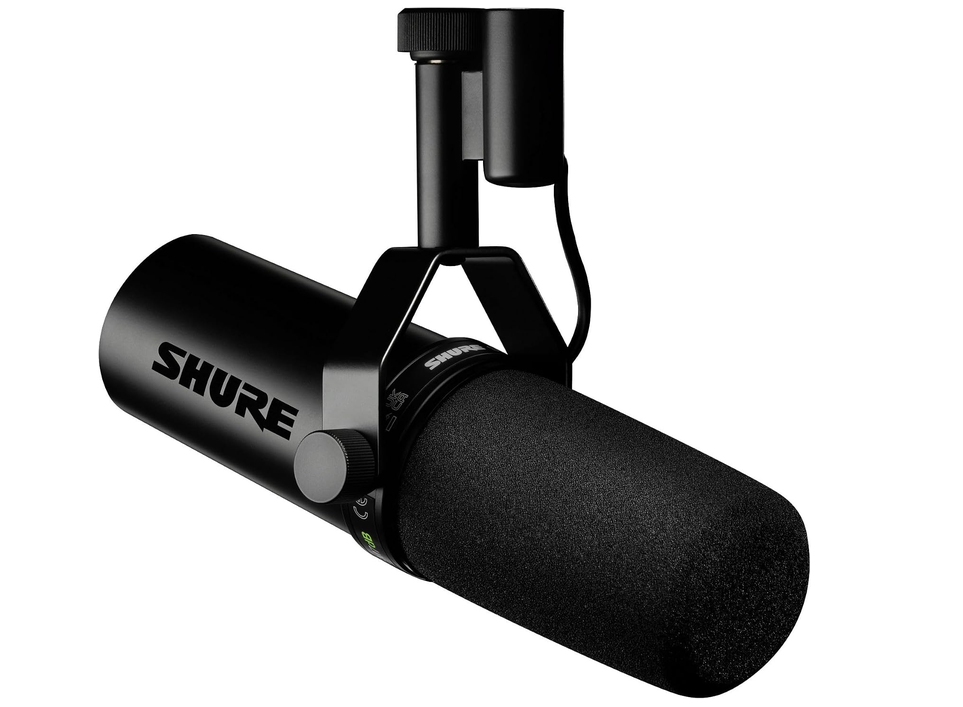
The Elgato Wave 3 is a lightweight USB condenser microphone built from the ground up for content creators and live streamers. It offers high-resolution 24-bit/96kHz audio recording with a clean, open, and articulate sound profile.
The front of the microphone features a multi-function dial that controls input gain, headphone volume, and mic-to-PC monitor mix. The real power of the Elgato Wave 3 lies in its Wave Link software. Wave Link allows you to combine up to eight audio channels, such as game audio, chat, alerts, and music, into two separate mixes for you and your stream audience.
What I Like
- Elgato Wave Link Digital Mixer: Lets you route and mix game audio, voice chat, and music into separate stream and monitor channels with zero lag.
- Proprietary Clipguard Technology: Automatically reroutes audio peaks through a secondary signal path to stop loud screaming or laughing from distorting.
- Multi-Function Hardware Knob: Gives you quick physical control over input gain, headphone level, and crossfade blend directly on the mic.
- Stream Deck Integration: Allows you to mute channels, adjust volume, or trigger sound effects with a single button press on Elgato Stream Deck controllers.
What Could Be Better
- Sensitive to Background Noise: The condenser capsule picks up background room reflections, traffic, and keyboard typing easily.
- Plastic Body Frame: The outer shell uses lightweight plastic that feels less rugged than metal alternatives.
Who Should Buy the Elgato Wave:3?
The Elgato Wave 3 is best for streamers, YouTubers, and content creators who need total control over multiple audio tracks. If you already use an Elgato Stream Deck and record in a quiet room, the Wave 3 provides seamless workflow integration.
Who Should Avoid the Elgato Wave:3?
Avoid the Elgato Wave 3 if your recording space has bare walls, hardwood floors, loud PC fans, or street noise, as the condenser capsule will pick up unwanted room ambient sounds.
View Elgato Wave 3 Deals on Amazon →
Detailed Comparison
Capsule Type and Voice Tone
The Shure MV6 uses a dynamic capsule, while the Elgato Wave 3 uses a condenser capsule.
Dynamic capsules require sound to hit the diaphragm with direct acoustic energy. This design gives the Shure MV6 a warm, broadcast-style vocal presence that stays focused on your voice. It rounds out harsh high frequencies and gives spoken words a smooth, radio-like weight.
In contrast, the electret condenser capsule in the Elgato Wave 3 is lighter and reacts faster to subtle sound waves. It produces an airy, crisp, and bright tone with clear highs. This brings out crisp vocal details, but it can also make sharp “s” and “t” sounds slightly more noticeable.
Background Noise Rejection
The Shure MV6 handles background noise much better than the Elgato Wave 3.
Because the MV6 is a cardioid dynamic microphone, it naturally ignores sounds coming from the sides and rear. Shure adds an onboard DSP Denoiser that cuts out steady background noises, such as computer fans or air conditioners. It also includes the Digital Popper Stopper to eliminate breath blasts without needing a bulky foam shield.
The Elgato Wave 3 is much more sensitive to surrounding room noise. It captures room reflections, echoing walls, and mechanical keyboard clicks unless your room has sound blankets or acoustic foam panels. However, Elgato provides Clipguard, which protects your stream from sudden distortion when you shout or laugh loudly.
Audio Software and Digital Mixing
Both microphones offer free desktop software, but they serve different user needs.
The Shure MOTIV Mix app focuses on microphone processing and basic 5-channel mixing. It lets you toggle Auto Level Mode, change your vocal tone from dark to bright, and adjust the noise denoiser. These settings stay saved in the microphone hardware, so your settings carry over even if you plug into another computer or phone.
The Elgato Wave Link app is a full virtual digital mixer. It lets you manage up to eight independent audio channels on your computer. You can create one sub-mix for your personal headphones and a separate sub-mix for your Twitch or YouTube broadcast. Wave Link also supports third-party VST audio plugins to add customized audio effects.
Hardware Controls and Build Quality
The Shure MV6 features a rugged diecast zinc alloy body that resists desk bumps and physical wear. It has a top tap-to-mute button that glows green when active and red when muted. However, the MV6 lacks a physical knob for gain adjustments, meaning you must adjust mic volume inside the app.
The Elgato Wave 3 uses a lighter plastic chassis with a metal front grille. It has a capacitive tap-to-mute sensor on top and a multi-function push-dial on the front. You can press the dial to switch between microphone gain, headphone output volume, and monitor crossfade blend, and check levels on the LED meter.
Ease of Setup and Daily Workflow
Both microphones connect through a standard USB-C cable and work without dedicated audio interfaces.
The Shure MV6 is easier for beginners who want simple, great-sounding audio right out of the box. You plug it in, enable Auto Level Mode, and speak naturally without worrying about manual volume adjustments.
The Elgato Wave 3 takes 10 to 15 minutes of initial setup in the Wave Link software to assign your apps to audio tracks. Once configured, it offers deep control that streamers can manage on the fly using a Stream Deck.
Real-World Buying Scenarios
Choose the Shure MV6 if:
- Your recording room has hard floors, bare walls, or echo.
- You share a home or office space with noisy family members, pets, or street traffic.
- You type on loud mechanical keyboard switches while talking during online games.
- You want a simple setup that automatically levels your vocal volume.
Choose the Elgato Wave:3 if:
- You live stream on Twitch or YouTube and need dual mix routing for games, chat, and alerts.
- You own an Elgato Stream Deck and want quick physical control over all computer audio.
- You record in a quiet, carpeted, or acoustically treated room.
- You prefer bright, airy vocal detail and want physical gain knobs on the microphone body.
Market Positioning
The Shure MV6 and Elgato Wave 3 sit in the mid-range USB microphone segment.
The Shure MV6 brings high-end dynamic broadcast voice isolation down to an affordable price point. It targets users who want reliable, clear voice pickup in regular rooms without dealing with acoustic treatment or complex audio routing.
The Elgato Wave 3 is designed as an all-in-one broadcast hub for creators. Rather than selling just a microphone, Elgato positions the Wave 3 as a complete software mixing solution for streaming setups.
Is It Worth Buying?
Who Should Buy the Shure MV6
The Shure MV6 is worth buying for podcasters, gamers, and remote workers who want clean speech in imperfect acoustic spaces. It eliminates background noise and plosive pops without extra accessories.
Who Should Buy the Elgato Wave:3
The Elgato Wave 3 is worth buying for solo streamers and video creators who need advanced multi-track audio mixing and Stream Deck integration.
Who Should Look Elsewhere
If you already own an audio interface with XLR inputs, you may want an analog dynamic microphone such as the Shure SM58, Shure MV7X, or Rode PodMic.
Compare Shure MV6 Buying Options on Amazon →
See Elgato Wave 3 Prices on Amazon →
Quick Decision Guide
Choose the Shure MV6 if:
- You want real-time noise suppression for room hums.
- You record in an echoey or noisy bedroom.
- You want a durable metal microphone body.
- You prefer set-and-forget automatic voice leveling.
Choose the Elgato Wave:3 if:
- You want physical knobs for instant gain tweaks.
- You need dual-mix digital audio software for streaming.
- You record in a quiet room with carpet and curtains.
- You want Clipguard anti-distortion protection for loud gaming moments.
2026 Check: Software Is the Real Comparison Here
If you already live in Elgato’s world, the Wave 3 is the obvious pick. Wave Link’s multi-source mixing and Stream Deck integration are not gimmicks for streamers who run game audio, voice chat, music, and alerts at once - they are the workflow. The microphone itself is the smaller part of that purchase; you are buying into a mixing desk that happens to include a mic. If that ecosystem means nothing to you, most of the Wave 3’s advantage evaporates with it.
If you want a mic, not a system, the MV6 wins on simplicity. A dynamic capsule that rejects background noise, hardware controls you can reach without opening software, and nothing to configure before the first recording. For podcasters and creators who record one voice into one app, that simplicity is worth more than a mixing suite they will never open - and in a noisy room, the dynamic design is the safer sound anyway, as the article’s own noise-rejection comparison above shows.
The honest tiebreaker is your desk, not the spec sheet. Count the apps you already run while recording. If the answer is several, and they are Elgato’s, the Wave 3 earns its place. If the answer is one, buy the MV6 and spend the saved attention on the room and the performance. Either way, neither mic fixes a bad room on its own - and neither needs an interface, which is the whole point of this price class. For the USB dynamic alternative with a different control set, see our AT2040USB review.
Final Verdict
When comparing the Shure MV6 vs Elgato Wave 3, the best choice comes down to your room acoustics and how you manage your daily audio.
The Shure MV6 is the better choice for most users because its dynamic capsule rejects background noise, room echo, and mechanical keyboard clicks. Its built-in digital signal processing keeps your speech level and clear without manual tweaking.
The Elgato Wave 3 remains a top choice for dedicated live streamers who want multi-track digital audio mixing and quick hardware dial adjustments in a treated, quiet space.
For everyday voice chat, gaming in untreated rooms, and podcast recording, the Shure MV6 delivers a cleaner and more forgiving audio experience.
Frequently Asked Questions
Is the Shure MV6 better than the Elgato Wave 3 for noisy rooms?
Yes, the Shure MV6 performs much better in noisy rooms. It uses a dynamic capsule with tight cardioid pickup and real-time digital denoising, which ignores room echo, PC fans, and background noise.
Can I use the Elgato Wave 3 without Wave Link software?
Yes, the Elgato Wave 3 works as a standard plug-and-play USB microphone without opening Wave Link. However, installing Wave Link gives you access to multi-channel mixing, Clipguard controls, and VST audio filters.
Do I need a pop filter for the Shure MV6?
No, you do not need an external pop filter for the Shure MV6. It comes with an internal acoustic filter and Digital Popper Stopper technology that stops harsh plosive sounds in software.
Does the Shure MV6 work on Mac and Windows computers?
Yes, the Shure MV6 connects via USB-C to Windows and macOS computers, as well as iOS and Android devices, using the free Shure MOTIV Mix app.
Does the Elgato Wave 3 work with the Elgato Stream Deck?
Yes, the Elgato Wave 3 connects directly with Elgato Stream Deck hardware. You can map buttons to mute specific channels, adjust volumes, or switch audio outputs instantly.
Related reading: Blue Yeti review, Audio-Technica AT2020 review