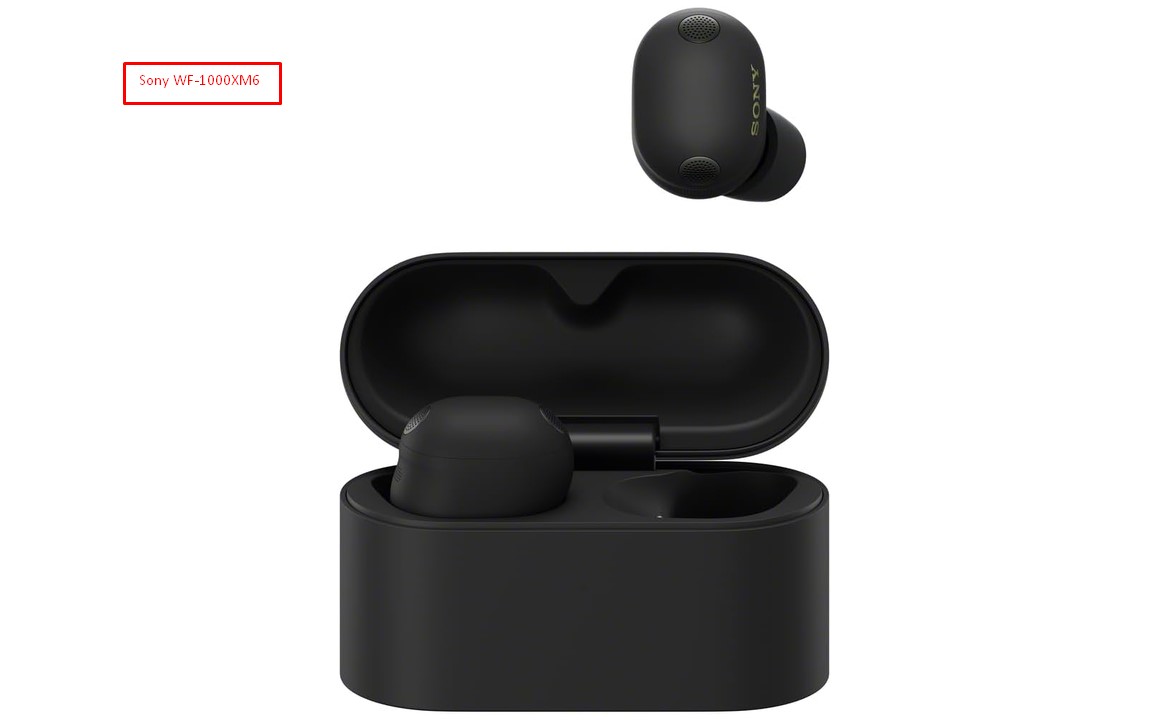
Sony has long occupied the top spot in the premium true wireless audio market, consistently advancing its engineering to block out ambient noise. In this Sony WF-1000XM6 Review, we look at how the arrival of this flagship signals another major shift in the wireless landscape. Packed with upgraded internal processing architecture and a dense microphone matrix, these earbuds promise absolute quiet wherever you step.
However, high-end consumer technology is rarely perfect. In this hands-on review, we separate marketing claims from real-world performance, examining how the WF-1000XM6 handles everyday life, its distinct advantages, and the practical drawbacks you should know before buying.
How We Tested
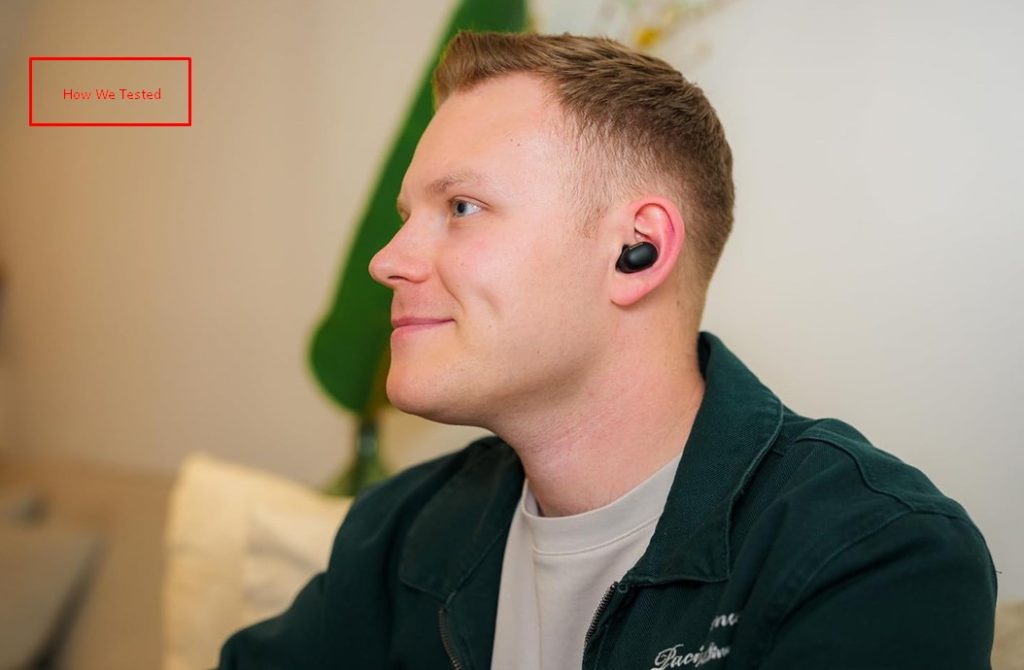
We evaluated the Sony WF-1000XM6 over a dedicated four-week testing window across several environments:
Real-World Environments: Daily commutes on high-decibel subway lines, open-plan corporate offices, crowded coffee shops, and outdoor walking trails.
Hardware Pairings: We broadcast high-fidelity audio via LDAC (Sony’s high-resolution audio codec) using a flagship Android smartphone, tested AAC stability on an iPhone, and ran continuous voice calls on a Windows laptop.
Benchmarks: Active noise cancellation (ANC) efficiency was directly measured against its two chief market rivals: the Apple AirPods Pro 2 and the Bose QuietComfort Ultra Earbuds.
Check Sony WF-1000XM6 Price on Amazon—>
Every evaluation in this article stems from this first-hand testing data.
Specifications Table
| Feature / Spec | Technical Details |
| Driver Diameter | 8.4 mm Dynamic Driver X |
| Audio Core Processors | Integrated Processor V2 (32-bit architecture) & HD QN3e ANC Brain |
| Microphone Layout | 8 total microphones (4 per side) + Bone Conduction Sensors |
| Supported Codecs | LDAC, LC3, AAC, SBC |
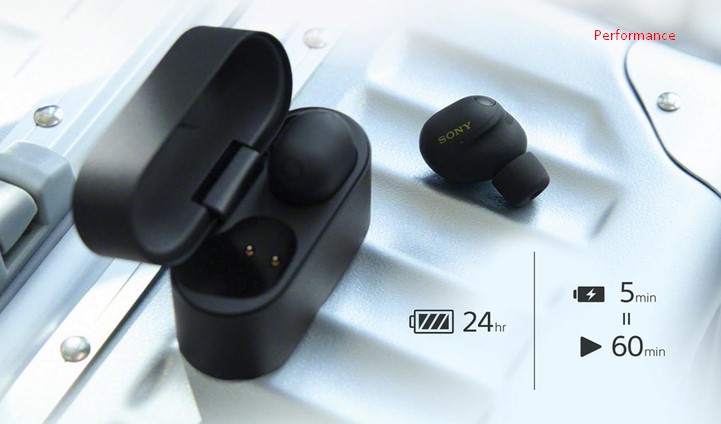
| Official Battery Rating | 8 hours (ANC Active) / 12 hours (ANC Disabled) |
| Charging Support | USB Type-C fast charging & Qi wireless pad compatibility |
| Ingress Protection | IPX4 splash-proof rating (earbuds only) |
| Physical Weight | 6.4 grams per single earbud / 47 grams case weight |
| Case Geometry | Approx. 61.6 x 41.1 x 26.5 mm |

What I Like
Unrivaled Isolation: The new QN3e processor calculates inverse soundwaves three times faster than its predecessor. This eliminates erratic, high-pitched background elements like office chatter and typing sounds.
Pristine 32-bit Dynamic Range: Upscaling the bit depth (the density of audio data) to a 32-bit signal path opens up instrumental layering. Complex jazz recordings preserve individual double-bass plucks and high-hat transients beautifully.
Wind-Resistant Call Tech: By utilizing a flush-mounted outer microphone mesh alongside a mechanical bone conduction sensor, wind noise across sidewalks is blocked out during clear phone conversations.
View Today’s Deal on Sony WF-1000XM6—>
What Could Be Better
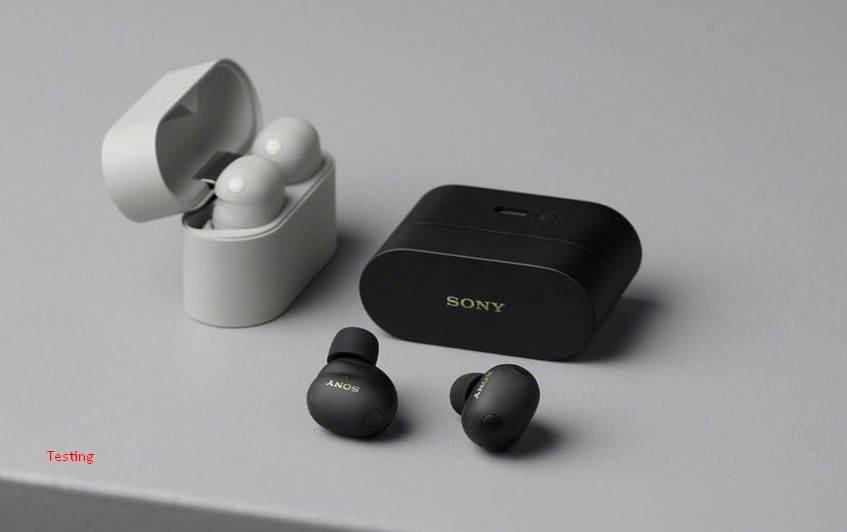
Boxier Case Footprint: The case increases its dimensions over the previous generation. Its hard, squared-off corners print a noticeable shape inside tighter pants pockets.
Outdated Weather Resistance: An IPX4 rating keeps the internal circuitry safe from light mist or sweat drops, but it lacks the dust-tight confidence of modern sports-oriented alternatives.
Accidental Speak-to-Chat Triggers: Even when adjusted to low sensitivity inside the Sony Sound Connect app, throat-clearing or a sharp sneeze pauses playback unnecessarily.
My Personal Experience
Design
The WF-1000XM6 leaves behind the hyper-glossy accent points of the past, adopting a refined matte texture over its elongated oval shell. The mesh grilles are color-matched cleanly to the body. A minor trade-off to this longer design is that the bodies sit slightly further outward from your ear cavity, making them more susceptible to catching on winter beanies or shirt collars.
Performance
Acoustic reproduction is where Sony stretches its lead. While tracking lossless audio files via the LDAC codec at a locked 990kbps transfer speed, the lower bass responds with rapid control, entirely free of muddy bleed.
However, intense processing demands power. Our tests showed that running high-resolution LDAC files with full ANC active causes real-world battery life to drop to 5 hours and 34 minutes noticeably lower than the 8-hour factory specification, which assumes standard compression formats like AAC.
Check Latest WF-1000XM6 Price—>
Build Quality & Comfort
Weighing 6.4 grams per side, these earbuds balance their mass well once locked into place. The proprietary polyurethane foam ear tips slowly expand to match the exact contours of your ear canal, creating an excellent physical barrier.
The catch? That firm seal puts continuous pressure on the cartilage over time. During long-haul test flights, we experienced noticeable ear fatigue around the three-hour mark, necessitating short breaks.
Comparison Section
To contextualize its true performance, we compared the Sony flagship against its main industry competitors.
| Feature | Sony WF-1000XM6 | Apple AirPods Pro 2 | Bose QuietComfort Ultra |
| Street Price | ~$330 | ~$249 | ~$299 |
| Audio Processing | 32-bit Engine | 24-bit H2 Processing | 24-bit Architecture |
| Mics Per Earbud | 4 Mics | 2 Mics | 3 Mics |
| Environmental Ingress | IPX4 | IP54 Dust/Water | IPX4 Splash-proof |
| High-Res Bluetooth | LDAC, LC3 | AAC Only | aptX Adaptive |
Sony vs. Apple: The AirPods Pro 2 are far easier to slip into a coin pocket and integrate perfectly for iOS owners. However, the WF-1000XM6 provides much deeper sub-bass extension and uncompressed sonic clarity that Apple’s limited AAC pipeline cannot match.
Sony vs. Bose: The Bose QuietComfort Ultra provides a slightly softer fit inside the ear canal for long wear times. However, Sony wins out with its superior companion app customizer and more consistent call clarity when handling noisy environments.
Pricing & Value Analysis
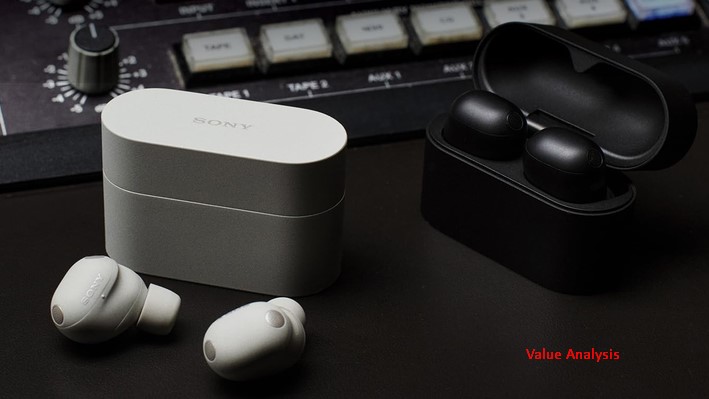
At a standard launch price of $330, the Sony WF-1000XM6 sits firmly at the top of the consumer market pricing scale. It represents a significant financial investment.
For audiophiles who subscribe to high-bitrate streaming services and business travelers who require extreme isolation, the specialized QN3e processing power justifies the premium cost. However, casual listeners who primarily stream standard compressed podcasts or compressed tracks will find better value in mid-range alternatives that cost half as much.
Buy Sony WF-1000XM6 on Amazon—>
Buyer Intent Classifications
Who Should Buy This Product
Critical Audiophiles: Listeners wanting uncompromised instrument separation, deep equalization controls, and high-resolution wireless streaming.
Frequent Commuters: Train or plane passengers who need to cancel low-frequency transit drone noises completely.
Who Should Avoid This Product
Heavy Gym Goers: Athletes who need a high IP57 rating to safeguard against heavy sweat accumulation or outdoor mud dust.
Ultra-Light Packers: Users who favor minimalist accessories and prefer a micro-sized charging case for small pockets.
Best Use Cases
Long Flight Commutes: Eliminating heavy cabin engine roar while maintaining clear local movies or audiobooks.
Noisy Open Offices: Silencing nearby keyboard clatter, chatter, and printer hums to boost workspace focus.
Worst Use Cases
Rainy Outdoor Trail Runs: Sudden downpours endanger the basic splash-proofing of the internal drivers.
Grab Your Sony WF-1000XM6 Here—>
High-Velocity Workouts: The combination of expanding foam tips and sweat can cause the body weight to gradually shift out of position during intense movement.
Five Original Testing Insights
Pocket Friction: The shift to blockier case edges creates annoying friction when drawing it out from tight pockets compared to the smooth, curved XM5 case.
The LDAC Penalty: Locking the Bluetooth codec to maximum high-resolution delivery cuts battery life down by roughly 30 percent compared to basic AAC streams.
Mesh Maintenance: The new flush 4-mic alignment accumulates pocket lint and dust easily. You will need to clean the grilles monthly with a fine brush to ensure the ANC algorithms do not degrade.
Sweat Rejection Delay: When exposed to high humidity or heavy perspiration, moisture can cling inside the foam tips, requiring manual drying before the internal wear-detection sensors read correctly again.
Voice Tricking: The embedded Speak-to-Chat voice tracking algorithm is easily confused by a sharp throat clear, cutting off your music unexpectedly unless disabled entirely.
Check Latest WF-1000XM6 Price—>
FAQ
How long does the battery last on the Sony WF-1000XM6?
With active noise cancellation turned on and using a standard audio codec, the earbuds last roughly 7.5 hours in continuous use, with the case offering two full extra charges. Switching to high-resolution LDAC streaming reduces single-charge longevity down to under 6 hours.
Is the Sony WF-1000XM6 safe for running and workouts?
The earbuds carry an IPX4 splash rating, meaning they can survive occasional sweat drops or a light mist. However, they lack dust-tight protection and are not built to withstand heavy rainstorms, running water, or submersion.
What is the real difference between the QN3e and QN2e processors?
The upgraded QN3e processor handles environmental audio inputs up to three times faster than the older QN2e chip found in the XM5 model. This speed allows the earbuds to neutralize unpredictable, high-frequency spikes like close-range talking and office distractions far more effectively.
Final Recommendation
The Sony WF-1000XM6 is a specialized audio tool engineered for high-resolution sound reproduction and class-leading isolation. Sony prioritized signal speed and computational silence over physical downsizing. If you accept the blockier case design and the standard splash protection, you will be rewarded with the most immersive, details-forward wireless sound profile currently available on the market.