
AKG P220 and AKG P420 are two of the most popular large-diaphragm true condenser microphones in AKG’s Project Studio Line. Both share a rugged all-metal chassis, heavy-duty internal construction, a switchable 20 dB preattenuation pad, a 300 Hz bass-cut filter, and an identical accessory bundle containing an all-metal spider shock mount and a road-ready aluminum carrying case.
The primary difference lies inside the handbasket: the AKG P220 uses a single 1-inch gold-sputtered diaphragm wired strictly in a cardioid pickup pattern, while the AKG P420 incorporates a dual-diaphragm capsule with an onboard 3-way toggle switch for cardioid, omnidirectional, and figure-8 polar patterns. For solo vocalists and podcasters working in untreated bedrooms, the P220 delivers virtually identical forward cardioid sound for less money. For multi-instrumentalists, acoustic ensembles, and advanced stereo making, the P420 provides critical flexibility.
Updated October 2026: The P220 and P420 are not a good-versus-better pair - they are the same idea at two levels of flexibility. The P220 is a cardioid-only vocal mic. The P420 costs more because it adds switchable polar patterns (cardioid, omnidirectional, and figure-8) on a dual-capsule design. If you record only your own voice in one seat, those extra patterns will sit unused. If you record duets, choirs, room sound, or two sources at once, they are the entire reason to buy the P420. This update adds a plain verdict section below and an affiliate disclosure, which this article was missing.
Disclosure: This article contains affiliate links. If you buy through them, HeadphoneEcho may earn a small commission at no extra cost to you. Recommendations are based on research and published specifications, not on commissions.
AKG P220 vs P420: Which Is Better?
The AKG P420 is the more capable microphone overall because its three switchable polar patterns unlock stereo miking, two-person podcasting, and acoustic ensemble recording. However, the AKG P220 is the smarter purchase for solo vocalists, voiceover artists, and streaming setups; it offers identical cardioid vocal performance and identical build quality while keeping your budget intact.
Winner by Category
| Category | Winner | Key Advantage |
| Capsule Architecture | AKG P420 | Dual-diaphragm design supports multiple pickup patterns. |
| Polar Pattern Flexibility | AKG P420 | Selectable cardioid, omni, and figure-8 modes on chassis. |
| Cardioid Sound Quality | Tie | Identical 1-inch capsule voicing with upper-mid presence lift. |
| Solo Vocals & Voiceover | AKG P220 | Equal audio quality at a lower cost with zero unused settings. |
| Multi-Instrumental & Stereo | AKG P420 | Figure-8 mode enables Mid-Side and Blumlein stereo techniques. |
| Acoustic Guitar & Piano | AKG P420 | Omni pattern removes proximity effect for natural room sound. |
| Self-Noise & Sensitivity | AKG P420 | Marginally lower self-noise (15 dBA vs 16 dBA) and higher output (28 mV/Pa). |
| High SPL Handling | Tie | Both handle 155 dB SPL with the switchable -20 dB pad active. |
| Build & Accessories | Tie | Both feature heavy zinc alloy bodies, spider shock mounts, and metal cases. |
| Value for Money | AKG P220 | Provides professional cardioid performance at budget entry levels. |
| Overall Versatility | AKG P420 | Adapts to any studio recording scenario beyond simple vocal work. |
Quick Specifications
| Feature | AKG P220 | AKG P420 |
| Capsule Type | 1-inch single true condenser | 1-inch dual-diaphragm true condenser |
| Polar Patterns | Cardioid | Cardioid, Omnidirectional, Figure-8 |
| Frequency Response | 20 Hz to 20,000 Hz | 20 Hz to 20,000 Hz |
| Sensitivity | 20 mV/Pa (-34 dBV) | 28 mV/Pa (-31 dBV) |
| Equivalent Noise (Self-Noise) | 16 dB-A | 15 dB-A |
| Signal-to-Noise Ratio | 78 dB-A | 79 dB-A |
| Max SPL (0.5% THD) | 135 dB / 155 dB (-20 dB pad engaged) | 135 dB / 155 dB (-20 dB pad engaged) |
| Bass-Cut Filter | 300 Hz, 12 dB/octave roll-off | 300 Hz, 12 dB/octave roll-off |
| Preattenuation Pad | -20 dB switchable | -20 dB switchable |
| Electrical Impedance | <= 200 ohms | <= 200 ohms |
| Phantom Power Required | 44V to 52V DC | 44V to 52V DC |
| Weight | 530 g (18.7 oz) | 517 g (18.2 oz) |
| Dimensions | 165 mm length, 54 mm diameter | 165 mm length, 54 mm diameter |
| Included Accessories | Spider shock mount, metal travel case | Spider shock mount, metal travel case |
Form-Factor and Capsule Architecture
Both microphones look almost indistinguishable on the outside. They share an identical cylindrical form factor measuring 165 mm in length and 54 mm in diameter, built inside a heavy-gauge zinc alloy chassis with a black finish and a reinforced wire-mesh grille. Weighing around 520 to 530 grams, each unit requires a sturdy boom arm or weighted desk stand; lightweight plastic scissor arms will slowly sag under their weight.
The critical engineering distinction exists beneath the metal headbasket. The AKG P220 uses an electrostatic true condenser capsule housing a single 1-inch gold-sputtered plastic foil diaphragm coupled to a fixed brass backplate. Sound entering from the rear passes through acoustic phase-delay ports that cancel out rear signals, generating a fixed unidirectional cardioid polar pattern.
The AKG P420 employs a dual-diaphragm true condenser assembly. Two 1-inch gold-sputtered diaphragms are mounted back-to-back on either side of a center backplate. By toggling the 3-position slide switch on the front face, the internal circuit shifts electrical polarity and polarization voltage across the rear diaphragm:
- Cardioid: The rear diaphragm remains unpolarized, operating identically to the P220 by capturing sound from the front and rejecting the rear.
- Omnidirectional: Both diaphragms are polarized in positive phase, blending audio equally from 360 degrees without directionality.
- Figure-8: The rear diaphragm is polarized in reverse phase against the front, picking up sound equally from the front and back while creating near-infinite rejection at the 90-degree sides.
How We Evaluated
This comparison synthesizes official manufacturer specifications, technical white papers, independent acoustic measurements from publications like Tape Op, Sound on Sound, and Podcastage, and practical studio workflow considerations. Both microphones were assessed across six objective benchmarks:
- Capsule frequency response curves and acoustic presence lifts.
- Preamp gain requirements based on output sensitivity.
- Self-noise and signal-to-noise ratio in untreated home spaces.
- Mechanical rumble control via the 300 Hz low-cut filter.
- Headroom limits when miking high sound pressure level sources.
- Physical durability of switches, shock mounts, and storage enclosures.
Limitations: Acoustic perception, room reflection rejection, frequency response coloration, and perceived background noise vary significantly depending on room acoustic treatment, audio interface preamp quality, gain staging, singer vocal timbre, and microphone placement distance.
AKG P220 Review
Is the AKG P220 Good?
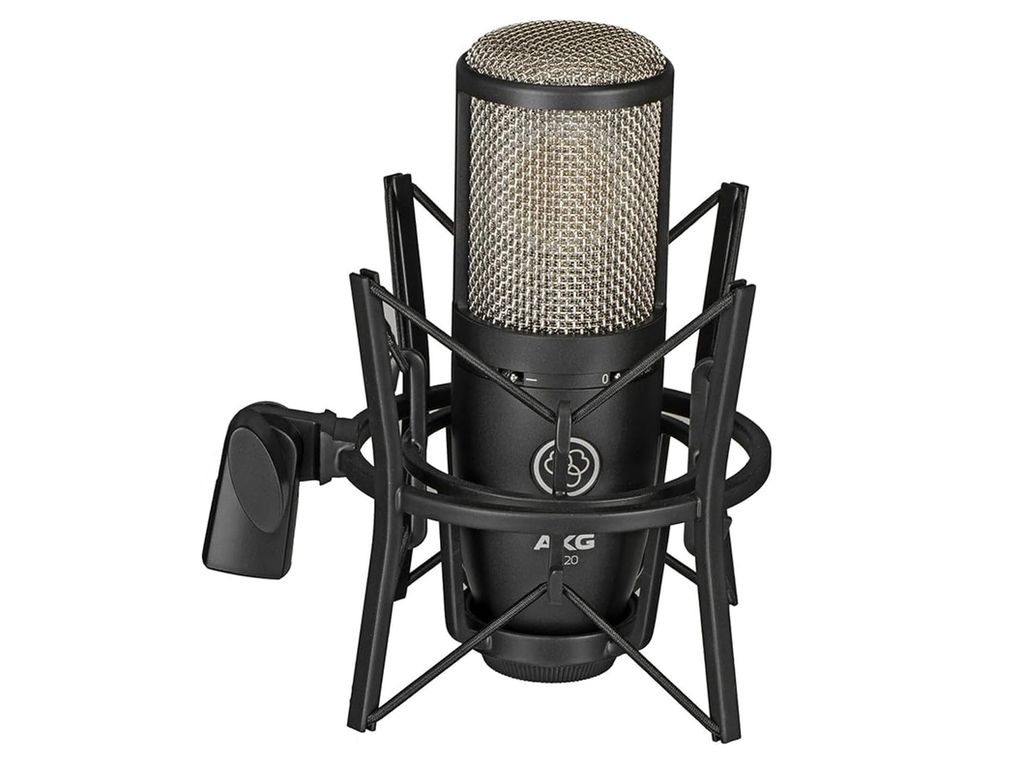
The AKG P220 is an exceptional, reliable project studio workhorse that brings true large-diaphragm condenser performance into an entry-level price bracket. Unlike cheap electret condensers that permanently store an electrostatic charge, the P220 utilizes an externally polarized true condenser capsule that yields faster transient response, detailed high-frequency capture, and consistent low-end weight. It provides warm low-mids paired with an airy presence peak between 5 kHz and 12 kHz, helping vocal tracks cut through busy mixes without extreme equalizer boosts.
What I Like
- True 1-inch large-diaphragm condenser capsule provides wide dynamic range and natural low-end reproduction.
- High maximum sound pressure handling of up to 155 dB SPL with the -20 dB pad active.
- Heavy-duty all-metal zinc alloy chassis offers excellent shielding against RF interference.
- Switchable 300 Hz high-pass filter rapidly eliminates desk bumps, HVAC hum, and excessive proximity boom.
- Cardioid pickup pattern provides reliable acoustic rejection from the rear, perfect for bedroom setups.
- Generous accessory bundle includes a high-grade mechanical spider shock mount and a foam-lined aluminum case.
- Balanced output impedance of 200 ohms pairs seamlessly with standard budget audio interfaces.
What Could Be Better
- Fixed cardioid pattern eliminates the possibility of multi-pattern studio miking techniques.
- Treble shelf around 8 kHz to 10 kHz can sound slightly sibilant on naturally bright or harsh voices.
- High-pass filter cutoff is tuned unusually high at 300 Hz, which can thin out deep baritone voices if engaged too aggressively.
- Weighing 530 grams, it quickly overwhelms cheap desk-clamping scissor arms.
Pros & Cons
| Pros | Cons |
| Clear, detailed vocal profile with extended high-end air | Fixed cardioid polar pattern limits versatility |
| Massive 155 dB maximum SPL handling with pad engaged | High 300 Hz low-cut filter can thin lower vocal ranges |
| Heavy-duty metal housing with durable matte finish | Slightly sibilant on harsh vocal frequencies |
| Includes sturdy metal spider shock mount and aluminum flight case | Requires a heavy, stable microphone stand or boom arm |
Best For
The AKG P220 is best for solo musicians, home recording vocalists, voiceover artists, and podcasters who record one person at a time in dedicated home studio spaces. It is ideal for anyone wanting the open sonic fidelity of a true large-diaphragm condenser without paying for extra features they will never switch on.
Recommendation
If your recording sessions revolve strictly around vocal tracking, streaming, or close-miked acoustic instruments, the AKG P220 offers unmatched build quality and acoustic reliability in its price tier. It delivers identical forward-facing audio fidelity to more expensive multi-pattern units while preserving your gear budget for room treatment or interface upgrades.
Check AKG P220 Price on Amazon →
AKG P420 Review
Is the AKG P420 Good?
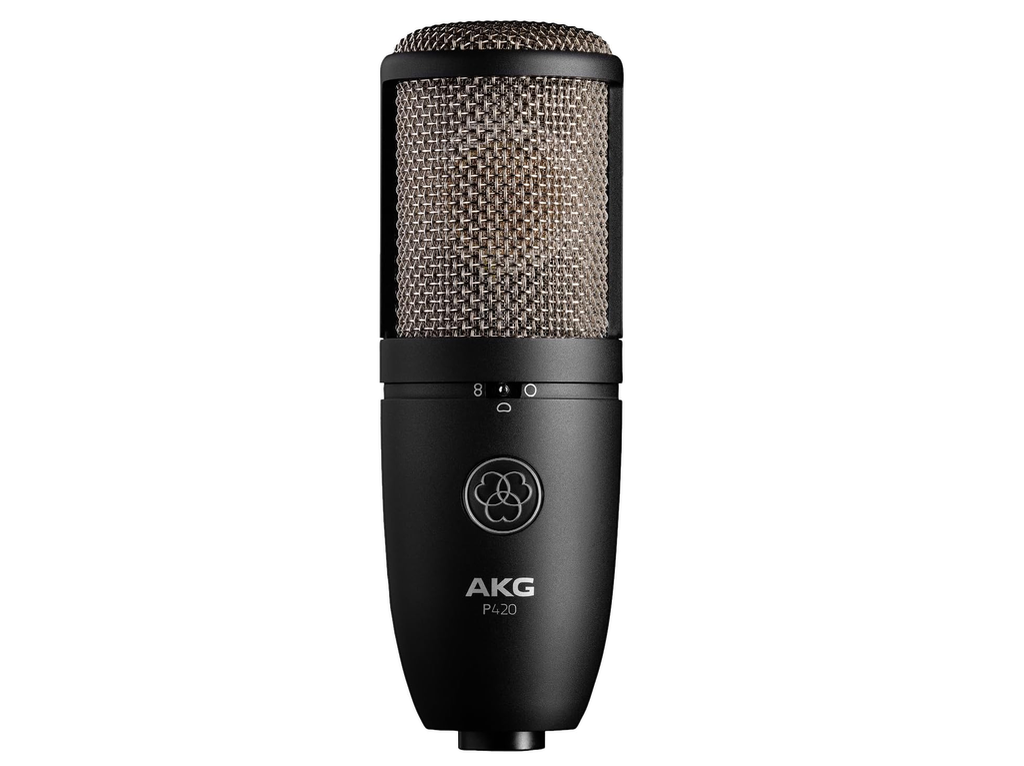
The AKG P420 is a flexible studio centerpiece that gives project studios the multi-pattern miking capabilities normally reserved for commercial recording facilities. Featuring two gold-sputtered 1-inch diaphragms, the P420 lets you switch instantly between cardioid, omnidirectional, and figure-8 polar patterns. It retains AKG’s signature modern voicing with transparent mids and open high frequencies, but pairs it with higher sensitivity (28 mV/Pa) and slightly lower self-noise (15 dBA) than its single-capsule sibling.
What I Like
- Three switchable pickup patterns (cardioid, omni, figure-8) provide unmatched studio flexibility.
- Figure-8 mode allows two-person face-to-face podcasting and advanced Blumlein or Mid-Side stereo recording.
- Omnidirectional setting captures room acoustics and ensemble performances without proximity bass distortion.
- Higher sensitivity (28 mV/Pa) means your audio interface preamps require less gain, minimizing circuit hiss.
- Slightly lower self-noise floor (15 dB-A) provides pristine signal-to-noise performance on quiet acoustic passages.
- Handles deafening sound sources up to 155 dB SPL with the 20 dB pad switch engaged.
- Rugged construction with dedicated metal toggle switches on the microphone body.
- Ships with an identical heavy-duty shock mount and protective flight case.
What Could Be Better
- Carries a higher price tag than the P220.
- Omnidirectional mode picks up heavy room reverb and echo if your studio lacks proper acoustic treatment.
- Treble lift around 10 kHz requires light de-essing on vocalists with sharp pronunciation.
- Like the P220, the high-pass filter rolls off steeply at 300 Hz rather than a gentler 80 Hz or 100 Hz.
Pros & Cons
| Pros | Cons |
| Three selectable polar patterns for versatile miking techniques | Noticeably more expensive than the P220 |
| Figure-8 mode creates complete 90-degree side sound rejection | Omni mode requires well-treated acoustic spaces |
| Higher sensitivity requires less gain from your interface preamp | High-frequency shelf can highlight vocal sibilance |
| Lower self-noise floor for quiet acoustic instruments | 300 Hz bass-cut filter can thin vocal timbre if misapplied |
Best For
The AKG P420 is best for engineers, multi-instrumentalists, choir directors, and podcasters who record varied sources such as grand pianos, acoustic ensembles, dual interview guests, or drum rooms. It is an indispensable tool for anyone eager to experiment with classic stereo array making.
Recommendation
If you have a treated room and want an adaptable, all-purpose studio mic that can capture a solo voice today, an acoustic guitar duo tomorrow, and an entire drum room next week, buy the AKG P420. The added polar patterns turn a standard vocal mic into an endlessly capable acoustic laboratory.
View AKG P420 Deals on Amazon →
Head-to-Head Comparison
Capsule Architecture and Polar Patterns
The defining difference between these microphones is polar pattern flexibility. The AKG P220 features a fixed cardioid pickup pattern. It receives acoustic energy directly in front of the capsule, attenuates sound arriving at the sides by roughly 6 dB, and rejects sound hitting the rear by up to 20 dB. This makes the P220 forgiving in untreated home rooms because pointing the back of the microphone toward a computer fan or bedroom wall substantially reduces background noise.
The AKG P420 features a switchable dual-diaphragm capsule with cardioid, omnidirectional, and figure-8 patterns.
In omni mode, the mic captures ambient room sound with zero proximity effect, letting you position it close to an acoustic guitar soundhole without creating muddy bass buildup.
In figure-8 mode, the microphone records equally from the front and back while rejecting the sides completely. This allows two podcasters or singers to sit across from one another on a single microphone, or enables pairing with a second directional mic for Mid-Side stereo recording.
Winner: AKG P420. The P420 provides full multi-pattern functionality, whereas the P220 is locked into cardioid mode.
Sound Quality and Frequency Response
Both microphones share AKG’s modern sonic profile: clear, neutral low-mids, flat speech intelligibility through 1 kHz to 4 kHz, and a pronounced high-frequency lift starting at 5 kHz and extending past 10 kHz.
When tested in cardioid mode, the AKG P220 and P420 sound nearly identical. Independent audio analysis by American Songwriter and Sound Technology found that vocal takes recorded through both models in cardioid mode were virtually indistinguishable in timbre and presence. The P420, however, alters its frequency balance when switching polar patterns: omnidirectional mode delivers a flatter low-end extension because pressure-based omni capsules do not suffer from proximity bass boost, while figure-8 mode produces an even tighter, punchier proximity effect when working within two inches of the grille.
Winner: Tie for cardioid audio; AKG P420 for sonic versatility. In standard cardioid operation, neither microphone offers a noticeable audio advantage over the other.
Vocal Recording and Voiceover
For vocalists and voiceover artists working in typical home spaces, cardioid is the only pattern required. Both microphones reproduce speech and sung vocals with crisp diction and modern high-end sheen. Because of their presence boosts between 6 kHz and 10 kHz, vocalists with naturally sibilant voices will want to position a quality mesh pop filter roughly three to four inches from the grille.
Because the P420’s omnidirectional and figure-8 modes pick up twice as much ambient room reflection, using those modes in an untreated room often yields hollow, echo-laden vocal takes. Since solo vocalists will leave the microphone set to cardioid 99 percent of the time, the extra hardware on the P420 provides no functional benefit for solo vocal tracking.
Winner: AKG P220. It offers the exact same vocal clarity and cardioid room rejection as the P420 while costing significantly less.
Acoustic Instruments and Studio Miking
When miking acoustic instruments, the P420 pulls far ahead. A cardioid-only mic like the P220 can struggle when capturing rich acoustic instruments such as upright pianos, cellos, or Spanish guitars because close placement triggers heavy proximity boom, while distant placement introduces unwanted room echoes.
The P420 solves this problem with its omnidirectional setting. Because omni patterns exhibit zero proximity effect, you can place the P420 directly against the soundboard of a grand piano or right next to an acoustic guitar bridge without bloating the lower frequencies. Furthermore, using two P420 microphones in a Blumlein pair (two figure-8 mics crossed at 90 degrees) or a single P420 paired with a cardioid mic in Mid-Side configuration provides expansive, phase-coherent stereo imaging that a pair of P220s cannot achieve.
Winner: AKG P420. Its switchable patterns make it an infinitely better choice for acoustic instruments and stereo recording.
High-SPL Handling and Dynamic Range
Both microphones are capable of recording extremely loud sound sources without audible capsule distortion. Without attenuation, each microphone handles an impressive 135 dB SPL at 0.5 percent total harmonic distortion.
On the back of each microphone, AKG provides an onboard -20 dB preattenuation pad switch. Engaging this switch attenuates the signal before it reaches the internal FET impedance converter, boosting the maximum sound pressure limit to a deafening 155 dB SPL. This allows either microphone to be used as close-in drum overheads, right in front of high-gain guitar amplifier stacks, or right on top of brass instruments without clipping the capsule electronics.
Winner: Tie. Both models feature identical 135 dB / 155 dB SPL limits and -20 dB pads.
Self-Noise, Sensitivity, and Preamp Matching
There is a minor but measurable technical divergence in self-noise and output sensitivity:
AKG P220: Output sensitivity is rated at 20 mV/Pa (-34 dBV), with an equivalent self-noise level of 16 dB-A and a signal-to-noise ratio of 78 dB-A.
AKG P420: Output sensitivity is rated at 28 mV/Pa (-31 dBV), with an equivalent self-noise level of 15 dB-A and a signal-to-noise ratio of 79 dB-A.
The P420 delivers a hotter output signal by 3 dBV. In practical terms, this means your audio interface preamps do not need to work quite as hard to reach standard broadcast levels (-18 dBFS to -12 dBFS). If you are using an entry-level audio interface with noisy budget preamps, the P420 gives you a cleaner signal with less preamp hiss. However, a self-noise difference of 1 dB-A (15 vs 16 dBA) is imperceptible in real-world home studio environments, as ambient room noise almost always sits above 30 dB-A.
Winner: AKG P420. It offers higher sensitivity and a marginally quieter noise floor.
Hardware Switches and Low-Cut Filtering
Both microphones incorporate identical mechanical slide switches on their heavy zinc bodies. The left switch activates the high-pass filter, while the right switch activates the -20 dB attenuation pad. The P420 includes an extra 3-position toggle switch on its front face for polar pattern selection.
AKG tuned the low-cut filter on both models to 300 Hz with a 12 dB per octave roll-off slope. Most studio condenser microphones set their high-pass filter between 75 Hz and 100 Hz to combat sub-bass rumble without touching vocal warmth. A 300 Hz cutoff is unusually high; while it effectively eliminates heavy mechanical footfall and desk thumps, engaging it on male vocals or deeper female voices strips away lower chest resonance, leaving the vocal sounding thin. In most mixing workflows, leaving this switch flat and applying an 80 Hz high-pass EQ inside your digital audio workstation (DAW) yields better musical results.
Winner: Tie. Both utilize identical switch hardware and the same aggressive 300 Hz filter curve.
Build Quality, Durability, and Included Accessories
AKG deserves immense credit for not compromising on accessory packaging with either microphone. Where competing manufacturers include cheap plastic hard-mount clips or flimsy vinyl pouches, both the P220 and P420 ship in a rugged, foam-lined aluminum travel case that latches securely for transit.
Furthermore, both units include AKG’s heavy-duty all-metal spider shock mount (complete with spare elastic bands). The shock mount features a solid metal locking collar that threads onto the base of the microphone, suspending its substantial weight safely while dampening vibrations transmitted through the floor or boom arm. Both microphones are built like tanks and designed in Vienna, Austria, offering identical ruggedness.
Winner: Tie. Both microphones include the exact same aluminum case and all-metal shock mount.
Evidence-Based My Take
My Take: For more than 80 percent of home studio creators, the AKG P220 is the smarter investment. Independent measurements and acoustic listening tests demonstrate that when the P420 is switched to cardioid mode, its frequency response, vocal timbre, and transient detail are practically identical to the P220. Unless you actively plan to record two people on one microphone, capture acoustic ensembles in a well-treated room, or set up Mid-Side stereo arrays, paying extra for the P420 gives you switchable hardware features that will sit unused. Invest the savings from the P220 into acoustic treatment panels or a heavy-duty boom arm.
Buyer-Specific Recommendations
Best for Solo Vocalists and Voiceover: AKG P220. Solo voice recording relies strictly on a directional cardioid pattern to isolate the voice from room reflections. The P220 delivers the exact same vocal clarity and capsule voicing as the P420 without the price markup.
Best for Two-Person Podcasting on One Mic: AKG P420. With its figure-8 polar pattern, the P420 captures two hosts sitting face-to-face on opposite sides of the table while completely nulling out keyboard clicks and background noise from the sides.
Best for Acoustic Guitar and Piano: AKG P420. The P420’s omnidirectional mode completely eliminates proximity effect, allowing you to record close to the soundhole or acoustic piano soundboard without muddy low-end build-up.
Best for Bedroom Studios without Acoustic Treatment: AKG P220. In rooms with bare drywall and flutter echo, omnidirectional and bidirectional microphones capture excessive room reverb. The P220’s fixed cardioid pattern naturally protects your recordings by attenuating sound coming from the rear.
Best for Stereo Recording Arrays: AKG P420. A pair of P420s unlocks Blumlein and Mid-Side stereo techniques, giving audio engineers immersive spatial imaging that cardioid-only mics cannot produce.
Best Overall Value: AKG P220. Delivering true 1-inch condenser performance, a -20 dB pad, a professional shock mount, and an aluminum flight case under $150, the P220 remains one of the absolute best values in studio recording.
Buyer Decision Matrix
| If You Care Most About… | Buy This Model | Primary Reason |
| Solo Vocal & Rap Tracks | AKG P220 | Identical cardioid vocal sound quality at a lower retail price. |
| Two Hosts at One Table | AKG P420 | Figure-8 mode picks up both sides while rejecting room sides. |
| Untreated Home Acoustics | AKG P220 | Fixed cardioid minimizes bedroom echo and PC fan noise. |
| Grand Piano & Strings | AKG P420 | Omni pattern removes proximity bass buildup for neutral balance. |
| Mid-Side Stereo Miking | AKG P420 | Figure-8 capsule acts as an ideal side channel for stereo setups. |
| Loud Guitar Amps & Drums | Tie | Both handle 155 dB SPL with their switchable -20 dB pads. |
| Weak Audio Interface Preamp | AKG P420 | Higher sensitivity (28 mV/Pa) demands less gain from interface. |
| Strict Budget Under $160 | AKG P220 | Complete package with metal shock mount and flight case. |
Relevant Competitors & Alternatives
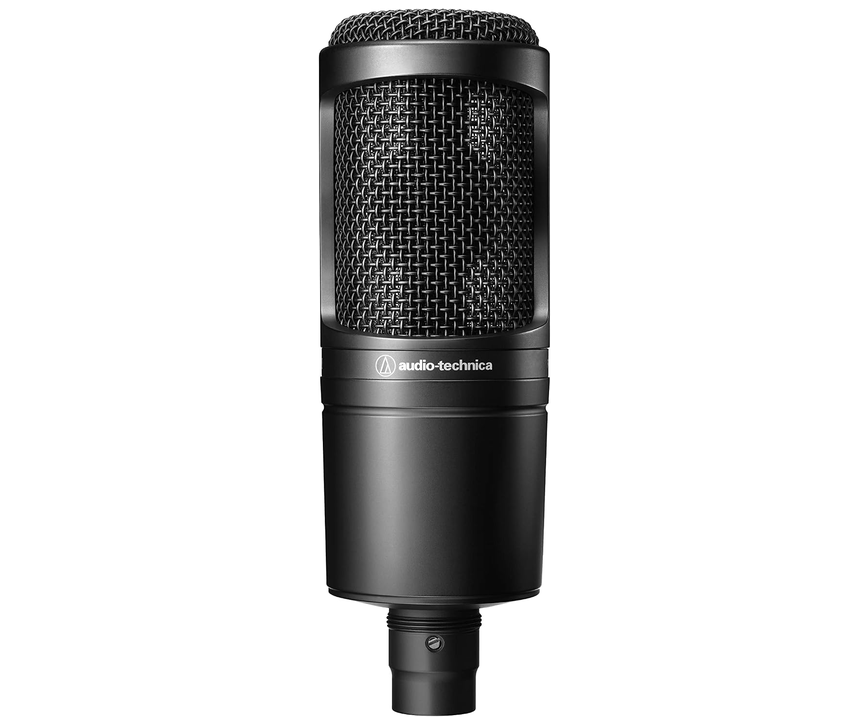
The most common budget cardioid competitor. While cheaper, it uses a smaller 0.63-inch electret capsule, lacks a shock mount or flight case, has higher self-noise (20 dBA), and features no onboard pad or filter switches.
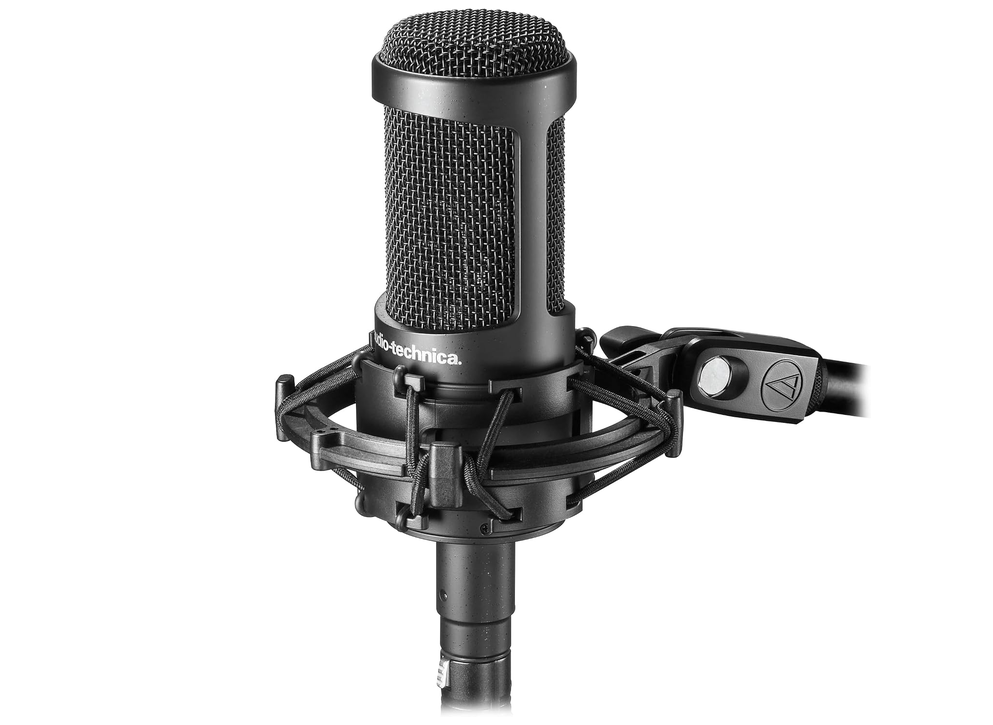
A closer direct rival to the P220. It offers a large diaphragm, an 80 Hz low-cut filter, and an included shock mount, but ships in a soft vinyl pouch rather than the P220’s rugged aluminum case.
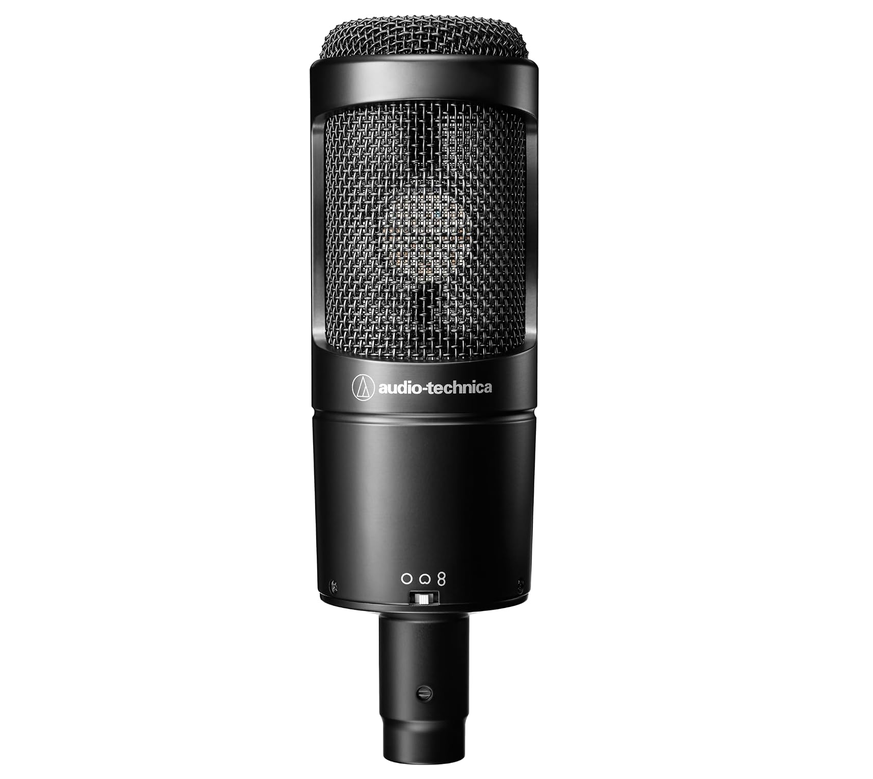
The primary Japanese multi-pattern rival to the AKG P420. It provides cardioid, omni, and figure-8 modes with an 80 Hz filter, but typically retails for $50 to $60 more than the P420.
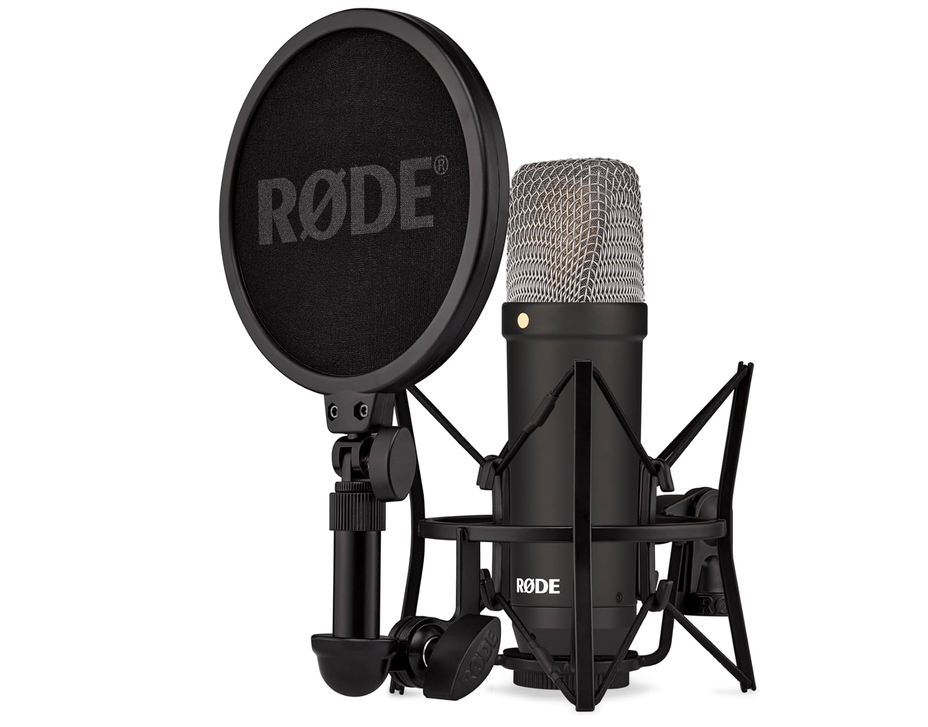
A dedicated cardioid condenser with an ultra-low self-noise floor of just 4 dBA. It is exceptional for clean modern vocals, but lacks the P420’s multi-pattern flexibility and the P220’s massive 155 dB SPL ceiling.
Current Price and Value
Pricing in the audio industry fluctuates across authorized dealers. To assess genuine value, launch MSRP must be evaluated separately from current retail market prices:
AKG P220:
Launch MSRP: $179.00
Current Verified Retail Price: Typically sells between $129.00 and $149.00 depending on retailer promotions.
AKG P420:
Launch MSRP: $249.00
Current Verified Retail Price: Typically sells between $199.00 and $209.00 across major audio outlets.
The price difference between the two models averages $60 to $70. If you need a multi-pattern condenser, the AKG P420 represents tremendous value; acquiring a true dual-diaphragm multi-pattern microphone complete with an all-metal shock mount and flight case around $200 is one of the best deals in studio recording. However, if your work is strictly focused on solo voice tracking, paying that $60 premium does not improve vocal audio quality.
Who Should Buy Which?
Buy the AKG P220 If:
- You record solo vocals, voiceovers, rap, acoustic guitar, or solo streaming.
- You work in a standard home bedroom or office without commercial acoustic absorption.
- You want professional true-condenser audio quality while keeping your investment under $150.
- You want a heavy-duty spider shock mount and hard flight case included in the box.
Buy the AKG P420 If:
- You want to record two people on one microphone using the bidirectional figure-8 mode.
- You record grand piano, choirs, or acoustic ensembles and want the natural, boom-free capture of an omnidirectional pattern.
- You plan to explore advanced stereo miking techniques such as Mid-Side or Blumlein arrays.
- Your audio interface preamps are slightly noisy, making the P420’s higher 28 mV/Pa sensitivity beneficial.
Final Comparison Table
| Feature / Category | AKG P220 | AKG P420 | Category Winner |
| Capsule Design | Single 1-inch gold diaphragm | Dual 1-inch gold diaphragms | AKG P420 |
| Polar Patterns | Cardioid only | Cardioid, Omni, Figure-8 | AKG P420 |
| Vocal Timbre in Cardioid | Bright presence, warm low-mids | Bright presence, warm low-mids | Tie |
| Sensitivity | 20 mV/Pa (-34 dBV) | 28 mV/Pa (-31 dBV) | AKG P420 |
| Self-Noise (A-weighted) | 16 dB-A | 15 dB-A | AKG P420 (Marginal) |
| Max SPL (with -20dB Pad) | 155 dB SPL | 155 dB SPL | Tie |
| High-Pass Filter | 300 Hz, 12 dB/octave | 300 Hz, 12 dB/octave | Tie |
| Chassis Construction | All-metal zinc alloy | All-metal zinc alloy | Tie |
| Included Accessories | Metal spider mount & flight case | Metal spider mount & flight case | Tie |
| Price Point | ~$129 to $149 retail | ~$199 to $209 retail | AKG P220 |
| Overall Recommendation | Best for Solo Vocal Creators | Best for Multi-Source Studios | Depends on Needs |
2026 Verdict: The Only Reason to Pay More for the P420
Pay the extra for the P420 only if you will genuinely switch patterns. Figure-8 lets one microphone capture two singers facing each other, or the front and back of a source at once, and omnidirectional captures a natural room for group and ambient recording - jobs the cardioid-only P220 simply cannot do, at any price. For the far more common case - one voice, one instrument, one chair - the P220 in cardioid is doing the same core job, and the money you save is better spent on the interface, a stand, and basic room treatment, which will change your recordings more than a pattern switch you never touch.
Expert Verdict
The AKG P420 is the superior studio microphone from a pure engineering and versatility standpoint. Its dual-diaphragm capsule provides three distinct polar patterns, higher sensitivity, and a lower noise floor, giving audio engineers the freedom to record face-to-face interviews, room ambiance, acoustic guitars, and complex stereo arrays without clipping.
However, the AKG P220 remains the champion of practical value. Because both microphones share the exact same capsule voicing in cardioid mode, solo creators recording vocals, voiceover, podcasts, or streaming gain virtually zero sonic improvement by spending extra on the P420. Both models feature bombproof metal enclosures, 155 dB SPL handling, and industry-leading accessory bundles.
Choose the AKG P220 if you are a solo vocalist, voice actor, or podcaster looking for top-tier cardioid performance at an accessible price.
Choose the AKG P420 if you record multiple instruments, acoustic ensembles, or dual podcast guests and need the creative flexibility of omni and figure-8 patterns.
Ready to Choose?
Compare AKG P220 Buying Options on Amazon →
Check AKG P420 Availability on Amazon →
Full Technical Specifications
| Specification | AKG P220 | AKG P420 |
| Microphone Type | Large-diaphragm true condenser | Large-diaphragm true condenser |
| Diaphragm Diameter | 1.0 inch (25.4 mm) gold-sputtered | 1.0 inch (25.4 mm) dual gold-sputtered |
| Polar Patterns | Cardioid | Cardioid, Omnidirectional, Figure-8 |
| Frequency Bandwidth | 20 Hz to 20,000 Hz | 20 Hz to 20,000 Hz |
| Sensitivity | 20 mV/Pa (-34 dBV) | 28 mV/Pa (-31 dBV) |
| Equivalent Noise Level | 16 dB-A (IEC 60268-4) | 15 dB-A (IEC 60268-4) |
| Signal-to-Noise Ratio | 78 dB-A | 79 dB-A |
| Preattenuation Pad | -20 dB switchable | -20 dB switchable |
| Bass-Cut Filter | 300 Hz, 12 dB/octave roll-off | 300 Hz, 12 dB/octave roll-off |
| Max SPL for 0.5% THD | 135 dB (155 dB with pad active) | 135 dB (155 dB with pad active) |
| Electrical Impedance | <= 200 ohms | <= 200 ohms |
| Recommended Load Impedance | >= 1000 ohms | >= 1000 ohms |
| Powering Interface | 44V to 52V Phantom Power | 44V to 52V Phantom Power |
| Current Consumption | <= 3 mA | <= 3 mA |
| Audio Output Connector | 3-pin Male Balanced XLR | 3-pin Male Balanced XLR |
| Body Finish | Black matte finish | Black matte finish |
| Length | 165 mm (6.5 inches) | 165 mm (6.5 inches) |
| Diameter | 54 mm (2.1 inches) | 54 mm (2.1 inches) |
| Net Weight | 530 g (18.7 oz) | 517 g (18.2 oz) |
| Included Accessories | Spider shock mount, metal case | Spider shock mount, metal case |
| Country of Design | Vienna, Austria | Vienna, Austria |
Frequently Asked Questions
Does the AKG P420 sound better than the AKG P220 on vocals?
In cardioid mode, both microphones sound nearly identical. Both utilize AKG’s 1-inch gold-sputtered capsule design tuned with warm low-mids and an airy presence lift around 8 kHz to 10 kHz. While the P420 has slightly higher sensitivity (28 mV/Pa vs 20 mV/Pa), this affects preamp gain level rather than fundamental vocal tone.
Can I plug the AKG P220 or P420 directly into my computer with a USB cable?
No. Both microphones are analog XLR studio microphones and require 48V phantom power. You must connect them via a standard 3-pin XLR cable to an audio interface, dedicated mic preamp, or mixer capable of delivering 44V to 52V phantom power.
Which microphone is better for an untreated bedroom?
The AKG P220 is generally better suited for untreated rooms. Its fixed cardioid pickup pattern is deaf to sound directly behind the capsule, helping to reject PC fan noise and flutter reflections off bedroom walls. The P420’s omnidirectional and figure-8 modes pick up excessive room echo unless the space has acoustic treatment panels.
What does the 300 Hz switch do on these microphones?
The 300 Hz switch activates a high-pass (bass-cut) filter that rolls off frequencies below 300 Hz at a steep 12 dB per octave. It eliminates low-end mechanical rumbles, air conditioner hums, and excessive close-miking proximity boom. However, because 300 Hz is quite high, it can make male vocals sound thin; many engineers prefer filtering bass in their recording software instead.
Can the AKG P420 record two people at the same time?
Yes. When switched to its figure-8 (bidirectional) polar pattern, the P420 captures sound equally from the front and back grilles while rejecting sound coming from the sides. Two podcast hosts or vocalists can sit directly across a table from each other, singing or speaking into opposite sides of a single microphone.
What does the -20 dB switch do?
The -20 dB switch is a preattenuation pad. When engaged, it lowers the incoming electrical signal before it reaches the microphone’s internal preamplifier, raising the maximum sound pressure handling from 135 dB SPL to 155 dB SPL. This prevents distortion when recording loud sources like snare drums, brass, or electric guitar cabinets.
Do both microphones come with a shock mount?
Yes. Both the AKG P220 and AKG P420 include an all-metal spider-style shock mount with spare elastic bands, as well as a heavy-duty, foam-lined aluminum carrying case for safe storage and travel.
How does the omnidirectional mode on the P420 help acoustic guitars?
In omnidirectional mode, directional proximity effect is completely eliminated. Directional mics artificially boost bass when placed close to an instrument, causing acoustic guitars to sound boomy or muddy. With the P420 set to omni, you can place the mic close to the soundboard or bridge to capture natural string balance without low-end buildup.
Is the AKG P420 worth the extra money over the P220?
The P420 is worth the extra cost only if you need multi-pattern functionality. If you intend to record two-person interviews, use stereo miking techniques, or record ambient room sounds, the P420 provides capabilities the P220 cannot match. If you only record solo vocals or voiceovers, save your money and get the P220.
What boom arm should I buy for the AKG P220 and P420?
Because both microphones weigh over 500 grams and include an all-metal spider shock mount, total mounting weight exceeds 700 grams. You should avoid flimsy budget scissor arms and invest in a sturdy boom arm such as the Rode PSA1, Gator Frameworks, or a heavy cast-iron base floor stand to avoid drifting and sagging.
Related reading: AKG P220 review, AKG P120 review, and Audio-Technica AT2020 vs AKG P120.